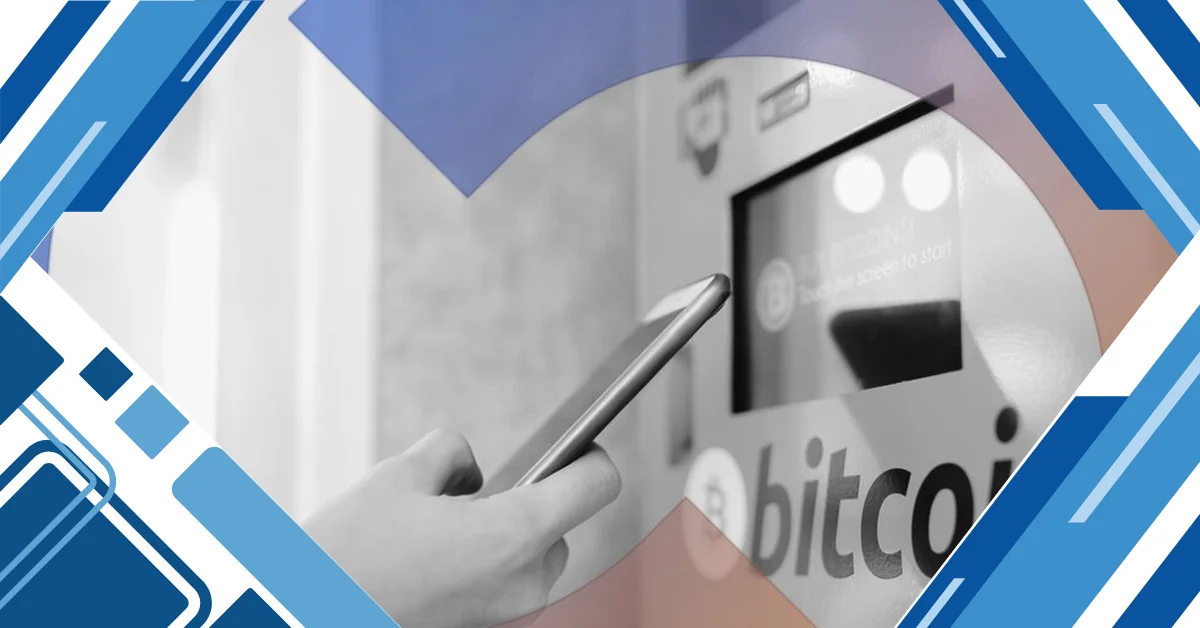
In recent weeks, a troubling incident has highlighted the persistent dangers associated with cryptocurrency transactions, especially involving ATMs and kiosks. A Canadian resident became the victim of a scam when they attempted to exchange crypto at a local ATM kiosk. Despite efforts to recover the lost funds, scammers have reemerged with another sophisticated scam attempt. This case underscores the importance of vigilance and awareness when dealing with crypto transactions in physical and digital environments.
The Initial Theft: Robbery at the Crypto ATM Kiosk
The incident began when the individual, whose identity remains confidential for privacy reasons, approached a popular crypto ATM located in a busy shopping district in Toronto. The victim intended to convert some of their cryptocurrency holdings into cash. However, shortly after initiating the transaction, they faced unexpected complications:
- Technical issues with the kiosk interface.
- Alleged scammer claiming a fault in the device and requesting personal information.
- Possibly compromised ATM software designed to siphon crypto wallet details.
Within moments, the victim’s crypto assets were drained, with the scammers quickly transferring the funds to untraceable wallets. The rapid nature of the theft exemplifies the risks associated with using untrusted or compromised physical kiosks for crypto transactions.
Recovery and Investigation Efforts
Following the theft, the victim contacted local authorities and cybercrime units. Several steps were taken to attempt recovery:
- Reporting the incident to the police and financial regulatory authorities.
- Engaging with the crypto exchange platform to identify and freeze suspicious transaction patterns.
- Collaborating with cybersecurity experts to trace the scam operation and assess vulnerabilities.
Despite these efforts, the initial recovery was only partially successful due to the anonymity of the blockchain transactions. However, authorities did seize some associated wallets and began tracking intermediary accounts.
Another Scam Attempt Sparks Alarm
Alarmingly, in the wake of recovery efforts, the scammers mounted an even more sophisticated attack aimed at the victim’s contacts and social networks. This second scam attempt involved:
- Fake emails and messages claiming to be from law enforcement or cyber response teams requesting additional information.
- Phishing websites mimicking legitimate crypto service providers to steal wallet credentials.
- Impersonation of trusted entities to solicit deposits or access to private keys.
Such tactics are reminiscent of ongoing scam campaigns, emphasizing that cyber criminals adapt quickly, continuously refining their methods to exploit victims’ trust and urgency.
The Broader Context: Risks of Crypto ATMs and How to Protect Yourself
Crypto ATMs have gained popularity for their convenience but pose significant security risks, including:
- Malware-infected kiosks that capture sensitive data.
- Device tampering and physical skimming devices attached to machines.
- Operator scams or unregulated machines with poor security standards.
To mitigate these risks, users should:
- Use only machines located within regulated and well-monitored environments.
- Verify the authenticity of the ATM and check for any suspicious attachments.
- Prefer transactions through official, trusted platforms or mobile apps with encryption.
- Be cautious of technical glitches or unusual prompts requesting sensitive data.
Legal Implications and Advice for Victims
Victims of crypto scams are advised to document all interactions and transaction details thoroughly. Reporting incidents promptly to authorities increases the chances of tracking scammers and possibly recovering assets. Law enforcement agencies increasingly collaborate globally to crack down on crypto fraud networks; however, due to the pseudonymous nature of blockchain, complete recovery often remains challenging.
Frequently Asked Questions
Can crypto funds be recovered after being stolen via an ATM scam?
Recovery is possible but complicated. It depends on how quickly authorities are alerted, the blockchain transactions involved, and the cooperation of exchanges and institutions. Often, funds are quickly transferred to multiple wallets, making recovery difficult.
How can I avoid falling victim to crypto ATM scams?
Always verify the legitimacy of the ATM, avoid unregulated machines, do not share sensitive information, and use secure platforms. If anything seems suspicious, it’s best to abstain from the transaction.
Are crypto ATMs safe to use?
Crypto ATMs can be safe if they are operated within regulated environments and involve rigorous security measures. However, unregulated or poorly maintained machines pose risks of theft, skimming, and malware interference.
What are the signs of a compromised or scam ATM?
Signs include loose or duplicated card readers, suspicious attachments, unusual prompts requesting personal info, or an unclean or tampered appearance of the machine.
Conclusion
The incident involving a Canadian robbed of crypto via an ATM kiosk serves as a stark reminder of the evolving threats in the cryptocurrency landscape. While digital assets offer significant advantages, they also require users to exercise caution, particularly when transacting through physical kiosks. Recognizing scams, understanding security best practices, and acting swiftly in case of theft are essential steps to protect one’s assets. As scammers become more inventive, ongoing vigilance remains the most effective defense against such digital and physical threats. Staying informed and cautious can help mitigate the risk of falling victim to similar scams in the future.
Leave a Reply