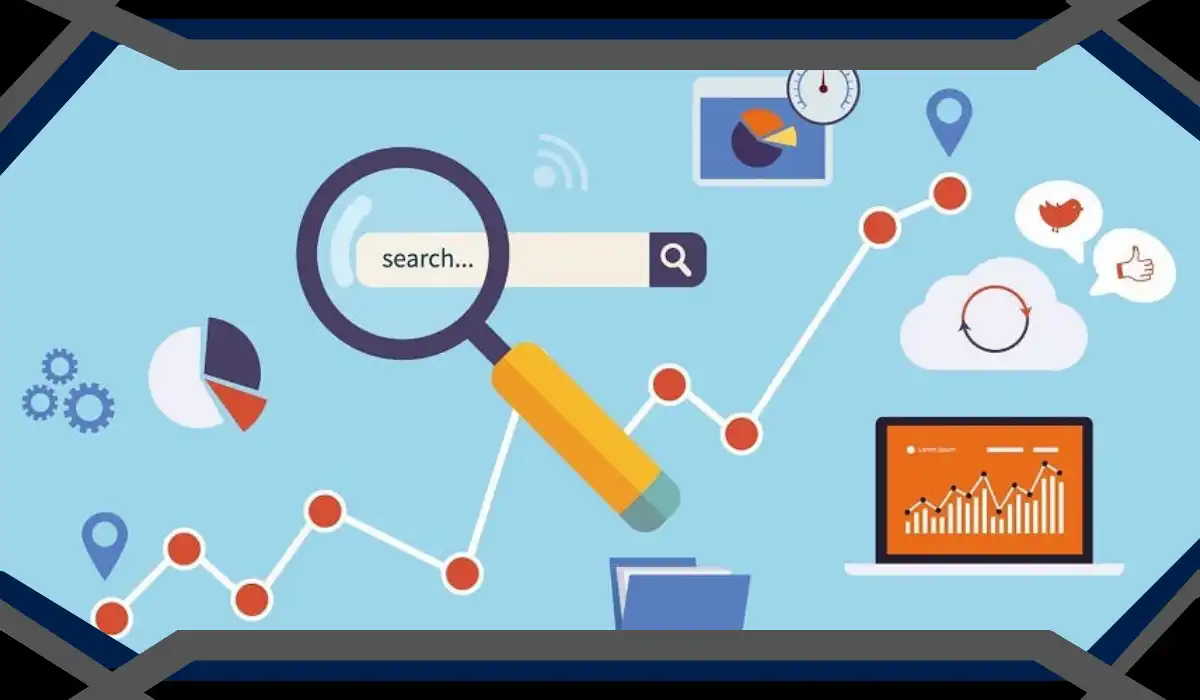
If you are new to digital marketing, understanding what SEO means can feel confusing at first. What is SEO, and why does it matter so much for websites, blogs, and online businesses? In simple terms, SEO helps search engines understand your content so people can find it more easily online. When done correctly, SEO can improve website visibility, attract organic traffic, and help users discover useful information faster.
Search engine optimization is not only about rankings. It is about creating valuable content, improving user experience, and making your website easy for search engines to crawl. Whether you run a personal blog, an e-commerce store, or a business website, learning the basics of SEO can help you grow your online presence steadily over time.
What Is SEO and Why Is It Important?
What is SEO exactly? SEO stands for Search Engine Optimization. It is the process of improving a website so it appears higher in search engine results for relevant searches. The goal is to attract quality traffic without paying for advertisements.
Search engines like Google analyze millions of web pages using algorithms. These algorithms evaluate content quality, relevance, website structure, speed, and many other ranking factors. Websites that offer valuable information and a smooth user experience are more likely to appear at the top of search results.
SEO is important because most online experiences begin with a search engine. People search for products, services, tutorials, reviews, and answers every day. If your website does not appear in search results, potential visitors may never discover your content.
Businesses of every size use SEO to reach potential customers online. A small local business can compete with larger brands if its content is useful and properly optimized. SEO also builds trust because users often view top-ranking pages as more credible and reliable.
Another reason SEO matters is cost-effectiveness. Unlike paid advertising campaigns that stop producing traffic when the budget ends, SEO can continue generating visitors for months or even years. This makes it one of the most sustainable digital marketing strategies available.
Some major benefits of SEO include:
- Increased organic traffic
- Better brand visibility
- Higher trust and credibility
- Improved user experience
- Long-term marketing value
- Better conversion opportunities
Unlike paid advertising, SEO can continue bringing visitors over time without ongoing ad costs.
How Search Engines Work
To understand SEO better, it helps to know how search engines operate. Search engines mainly use three steps:
Crawling
Search engines use bots called crawlers or spiders to discover content across the internet. These bots scan pages, follow links, and collect information from websites.
Crawlers constantly visit websites to check for updated or newly published content. If your website has clear navigation and proper internal linking, search engines can crawl your pages more efficiently.
Indexing
After crawling, the search engine stores and organizes the content in a massive database called an index. Indexed pages become eligible to appear in search results.
If a page cannot be indexed because of technical problems, it may never appear in search engine results pages. Proper indexing is essential for online visibility.
Ranking
When users search for something, search engines analyze indexed pages and rank the most relevant results based on many ranking signals.
Search engines aim to deliver the best experience possible. Pages that load quickly, answer questions clearly, and provide reliable information are more likely to rank higher.
Factors influencing rankings include:
| Ranking Factor | Why It Matters |
| Content Quality | Helps answer user questions |
| Mobile Friendliness | Improves accessibility |
| Page Speed | Enhances user experience |
| Backlinks | Builds website authority |
| Keyword Relevance | Matches search intent |
Modern SEO focuses heavily on satisfying user intent rather than simply placing keywords repeatedly.
The Main Types of SEO
SEO includes several areas that work together to improve website performance.
On Page SEO
On-page SEO focuses on optimizing individual pages. This includes:
- Writing clear titles and headings
- Using relevant keywords naturally
- Creating useful content
- Optimizing images
- Improving readability
- Adding internal links
Good on-page SEO helps both users and search engines understand your content.
Proper formatting also improves on-page SEO. Short paragraphs, descriptive headings, and organized layouts make content easier to read. User engagement signals, such as time spent on a page, can improve when visitors enjoy the reading experience.
Off-Page SEO
Off-page SEO involves actions outside your website that improve authority and trust. The most common example is backlinks from reputable websites.
When respected websites link to your content, search engines often view your site as more reliable. Many marketers use resources like search engine journals to stay updated on backlink strategies and ranking trends.
Brand mentions, online reviews, and social sharing can also strengthen off-page SEO. Even though social media signals may not directly affect rankings, they can increase visibility and attract more visitors to your content.
Technical SEO
Technical SEO improves the backend structure of a website so search engines can crawl and index content effectively.
Key technical SEO areas include:
- Website speed optimization
- Secure HTTPS connections
- XML sitemaps
- Mobile responsiveness
- Clean URL structures
- Fixing broken links
Technical improvements often create a stronger foundation for overall SEO success.
A technically optimized website reduces errors that may block search engines from understanding your pages. It also improves user experience, which is becoming increasingly important for rankings.
Keyword Research and User Intent
Keyword research helps identify the phrases people search for online. Choosing the right keywords allows your content to match user interests and questions.
However, modern SEO is not just about keywords. Understanding user intent is equally important.
There are four common types of search intent:
Informational Intent
Users want to learn something.
Example:
“How does SEO work?”
These searches usually perform well with blog posts, guides, tutorials, and educational content.
Navigational Intent
Users want to find a specific website.
Example:
“Google Search Console”
Strong branding and a clear website structure help users find the right destination quickly.
Transactional Intent
Users are ready to make a purchase.
Example:
“Buy SEO tools online.”
These searches often lead to product pages, service pages, or e-commerce websites.
Commercial Intent
Users are comparing products or services before deciding.
Example:
“Best SEO software for beginners”
Comparison articles, reviews, and buying guides work well for commercial intent searches.
Creating content that matches user intent improves engagement and ranking potential.
Content and SEO Success
High-quality content remains one of the most important SEO factors. Search engines aim to deliver the most useful and trustworthy answers to users.
Strong SEO content should:
- Solve real problems
- Answer common questions
- Be easy to read
- Include clear headings
- Use reliable information
- Stay updated regularly
Content should sound natural and human rather than overly optimized. Overusing keywords can reduce readability and may harm rankings.
Long-form content often performs well because it covers topics in greater detail. However, quality matters more than word count alone. A shorter article that directly answers user questions can still rank highly if it provides value.
Many website owners also study digital marketing research to understand audience behavior and improve content strategies.
Adding visuals, examples, and structured formatting can also improve reader engagement and increase the likelihood of shares and backlinks.
Common SEO Mistakes Beginners Make
Beginners often make several avoidable SEO mistakes. Understanding these errors can help you build a stronger strategy from the beginning.
Keyword Stuffing
Using keywords excessively makes content unnatural and difficult to read.
Search engines now prioritize quality and readability over repetitive optimization tactics.
Ignoring Mobile Users
Most searches now happen on mobile devices. Websites that are not mobile-friendly may lose rankings and visitors.
Responsive design helps ensure your content works smoothly across different screen sizes.
Publishing Thin Content
Short or low-value pages rarely perform well in search results.
Pages should provide meaningful information instead of shallow summaries.
Slow Website Speed
Users expect websites to load quickly. Slow pages increase bounce rates and reduce user satisfaction.
Compressing images and improving hosting quality can significantly improve performance.
Forgetting Internal Links
Internal links help users navigate your website and help search engines understand page relationships.
A strong internal linking strategy can improve both indexing and user engagement.
Simple SEO Tips for Beginners
If you are starting your SEO journey, focus on practical improvements first.
Create Helpful Content
Write content that genuinely helps readers solve problems or answer questions.
Always focus on user value before optimization techniques.
Use Clear Headings
Organized headings improve readability and help search engines understand page structure.
Headings also help users quickly scan articles for relevant information.
Optimize Page Titles
Titles should clearly explain the page topic and encourage clicks.
Well-written titles improve click-through rates from search engine results.
Improve User Experience
Make your website fast, clean, and easy to navigate.
Simple navigation encourages visitors to stay longer on your website.
Update Older Content
Refreshing existing content can improve rankings and maintain relevance.
Search engines often favor updated and accurate information.
Monitor Performance
Use analytics tools to track traffic, rankings, and user behavior.
Tracking performance helps identify which strategies are working effectively.
SEO is a long-term process, not an overnight solution. Consistency and quality usually deliver the best results over time.
Final Thoughts
What is SEO in today’s digital world? It is a powerful strategy that helps websites become more visible, useful, and accessible to online users. SEO combines quality content, technical improvements, keyword research, and user-focused design to create better online experiences.
For beginners, the best approach is to focus on creating helpful content and improving website usability step by step. Search engine optimization may take time, but steady effort can lead to lasting growth, stronger visibility, and more meaningful website traffic.
Leave a Reply