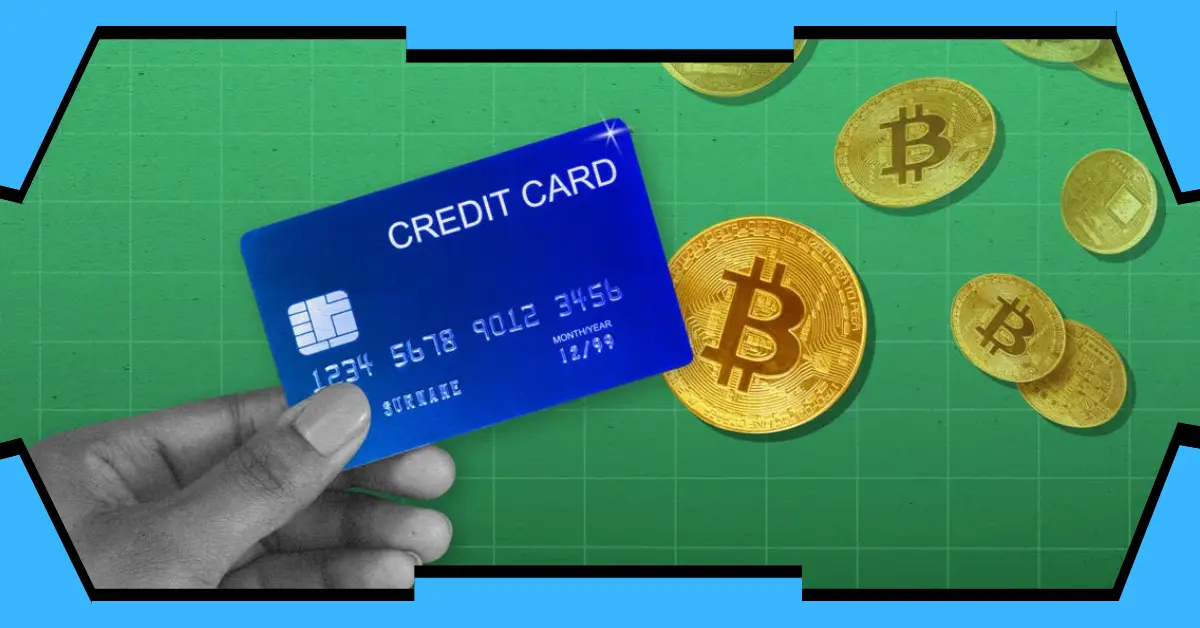
Buying digital assets has become faster and more accessible than ever, and one of the most convenient entry methods in 2026 is to buy crypto with credit card. It allows near-instant access to Bitcoin, Ethereum, and other cryptocurrencies without waiting for bank transfers or third-party settlements.
However, this convenience comes with important trade-offs such as higher fees, stricter banking rules, and regional limitations. This guide explains everything in a clear, practical way so you can understand not just how to do it, but whether you should.
Understanding How Credit Card Crypto Purchases Work
When you purchase crypto using a credit card, the exchange or payment provider instantly converts your fiat currency into digital assets and sends them to your wallet. On the surface, it feels like a normal online purchase, but behind the scenes, banks often classify it differently.
Many issuers treat crypto transactions as cash advances rather than standard purchases. This distinction matters because it can trigger immediate interest charges and additional fees. Even so, users continue to buy crypto with credit card because it removes friction from the onboarding process.
Crypto Exchanges That Accept Credit Cards (2026 Comparison)
Different platforms offer different costs, limits, and levels of accessibility. Choosing the right exchange can significantly affect your overall cost.
| Exchange | Typical Fees | Card Support | Purchase Limits | Notes |
| Coinbase | ~3.99% | Visa, Mastercard | Medium to high | Very beginner-friendly and regulated |
| Binance | ~2%–3.5% | Visa, Mastercard | High | Often cheaper via third-party payment processors |
| Kraken | ~3%–3.75% | Visa, Mastercard | Medium | Strong security focus, fewer supported regions |
| Crypto.com | ~2.99% | Visa, Mastercard | Medium | Mobile-first ecosystem with rewards |
| eToro | ~1%–3% spread | Visa, Mastercard | Medium | Social trading features included |
| MoonPay (via Web3 apps) | ~4%–5% | Visa, Mastercard, Amex | Low to medium | Easy on-ramp but higher fees |
In practice, Binance and eToro tend to offer lower effective costs, while Coinbase remains the most user-friendly option for beginners.
Step-by-Step Guide to Buying Crypto with a Credit Card
Step 1: Choose a Trusted Exchange
Select a regulated platform such as Coinbase or Kraken depending on your region and experience level.
Step 2: Complete Identity Verification (KYC)
All major exchanges require identity verification, including government ID and sometimes proof of address.
Step 3: Link Your Credit Card
Add a Visa or Mastercard in the payment section. Some issuers may decline crypto-related transactions automatically.
Step 4: Select Cryptocurrency
Choose assets like Bitcoin (BTC), Ethereum (ETH), or stablecoins depending on your strategy.
Step 5: Confirm Purchase
Review exchange rate, fees, and total cost before final confirmation. Funds are usually credited instantly.
At this point, many users realize how quickly they can buy crypto with a credit card, but speed should always be balanced with cost awareness.
Real Cost Example: What a $500 Purchase Actually Costs
To understand the true impact of fees, consider a $500 credit card crypto purchase.
If the exchange charges around 3.5%, that alone reduces your value by $17.50. On top of that, many banks treat the transaction as a cash advance and apply an additional fee, often around 4%, which adds another $20.
That means before any market movement, you have already lost about $37.50 in combined costs. In reality, you receive roughly $462.50 worth of crypto for a $500 spend.
The situation can become more expensive if the credit card balance is not repaid quickly, since interest may begin accruing immediately at rates that can exceed 20% annually. This is one of the most overlooked risks when users decide to buy crypto with credit card without planning repayment.
Regional Rules and Compliance Differences
Where you live plays a major role in how easy or expensive it is to use credit cards for crypto.
In Singapore, regulation is strict under the Monetary Authority of Singapore. Exchanges must comply with strong anti-money laundering and identity verification rules, and some banks may block crypto purchases entirely depending on internal risk policies.
In the United States, many banks treat crypto purchases as cash advances, which makes them expensive. Institutions like Chase or Bank of America may decline or flag transactions, and tax reporting requirements are also more detailed compared to other regions.
In the European Union, the introduction of MiCA regulations has created more consistency across member states. Credit card usage is more accessible compared to the US, but many users still prefer SEPA transfers because they are cheaper and more predictable.
2026 Trends Affecting Credit Card Crypto Purchases
The landscape in 2026 has shifted noticeably compared to previous years.
Banks are becoming stricter about approving crypto-related transactions due to fraud concerns and volatility risk. This has led to more frequent declines even on legitimate purchases.
At the same time, processing fees have increased as third-party payment providers face higher compliance costs. Services like on-ramp processors now charge more than they did in previous years.
Another major shift is the expansion of KYC requirements. Even platforms that previously allowed fast onboarding now require full identity verification before allowing card purchases.
Finally, there is a clear industry trend away from credit cards and toward cheaper funding methods such as bank transfers and debit cards. Despite this, users still buy crypto with credit card when speed is the top priority.
Best Low-Fee Strategy to Buy Crypto Instantly
If you still want speed but want to reduce costs, here is the most efficient approach used by experienced traders:
Strategy: Hybrid Funding Method
- Use a debit card or instant bank transfer for the main purchase
- Reserve credit card use only for:
- market dips
- urgent entries
- Choose exchanges with lowest card fees (Binance or eToro)
- Avoid cash advance classification by testing small transactions first
- Repay credit balance immediately if used
Why this works:
- Reduces interest exposure
- Avoids cash advance accumulation
- Maintains instant purchase capability when needed.
Risks You Should Always Consider
Even though the process is simple, the risks are significant. Crypto markets are volatile, and losses can happen quickly. If you are using borrowed money from a credit card, you still owe that balance regardless of market performance.
Credit utilization is another concern, since large purchases can impact your credit score. On top of that, some banks may restrict or flag accounts if they detect repeated crypto-related activity.
These risks make it essential to approach credit-based crypto buying with caution rather than treating it as a default payment method.
Conclusion: Should You Buy Crypto with a Credit Card in 2026?
Using a credit card to purchase cryptocurrency remains one of the fastest onboarding methods in the market today. It is convenient, widely supported, and ideal for instant access.
However, it is also one of the most expensive ways to enter crypto due to fees, interest charges, and banking restrictions. While many users still choose to buy crypto with credit card, it is best used selectively rather than as a primary funding method.
For most investors, lower-cost alternatives like bank transfers or debit cards offer better long-term value. Credit cards should be viewed as a convenience tool, not a core investment strategy.
Leave a Reply