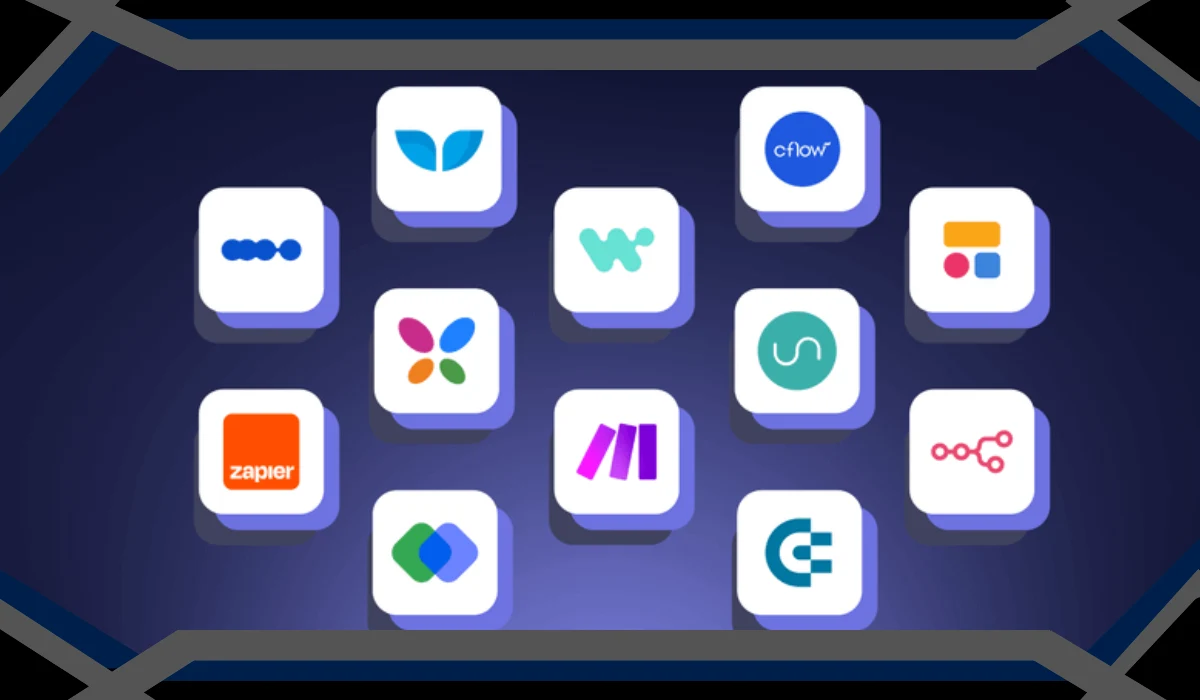
Business automation tools are transforming modern workplaces by helping organizations streamline operations, reduce repetitive tasks, and improve overall productivity. As businesses face increasing pressure to achieve more with limited resources, automation has become a critical strategy for maintaining efficiency and competitiveness. From workflow management to customer service and data processing, automation technologies are enabling companies to optimize performance while allowing employees to focus on higher-value activities.
In today’s fast-paced business environment, efficiency is no longer optional,it is essential for growth and sustainability. Organizations that embrace automation are discovering new opportunities to reduce costs, improve accuracy, and enhance employee satisfaction. This article explores how automation solutions are reshaping workplaces and why they are becoming indispensable for businesses of all sizes.
What Is Workplace Automation?
Workplace automation refers to the use of technology to perform tasks and processes with minimal human intervention. These tasks can range from simple administrative duties to complex business operations involving multiple departments.
Automation solutions rely on software, artificial intelligence, machine learning, and cloud-based systems to execute tasks more efficiently than manual methods. Common examples include automated email responses, digital approval workflows, payroll processing, customer support chatbots, and inventory management systems.
The goal of automation is not to replace employees but to eliminate repetitive work, reduce errors, and create a more productive work environment.
Why Workplace Efficiency Matters
Workplace efficiency directly impacts a company’s profitability, customer satisfaction, and ability to compete in the marketplace. Efficient organizations make better use of their resources, complete projects faster, and adapt more quickly to changing business conditions.
Benefits of improved workplace efficiency include:
- Increased productivity
- Lower operational costs
- Better customer experiences
- Reduced employee burnout
- Faster decision-making
- Enhanced business scalability
By streamlining workflows and eliminating unnecessary manual processes, automation allows organizations to operate at a higher level of performance.
Eliminating Repetitive Administrative Tasks
Administrative work often consumes valuable employee time. Tasks such as data entry, scheduling, document management, and report generation can significantly reduce productivity when performed manually.
Automation software can handle these responsibilities with speed and accuracy. For example, digital forms can automatically populate databases, appointment scheduling systems can coordinate calendars, and reporting tools can generate real-time performance summaries.
When repetitive tasks are automated, employees gain more time to focus on strategic initiatives, creative problem-solving, and customer engagement.
Streamlining Workflow Management
One of the most significant advantages of business automation tools is their ability to streamline workflows. In many organizations, projects involve multiple approvals, task assignments, and communication exchanges that can create delays.
Workflow automation ensures that processes move smoothly from one stage to another. Automated systems can assign tasks, send reminders, escalate issues, and track progress without requiring constant manual oversight.
Key benefits of workflow automation include:
- Faster project completion
- Improved accountability
- Greater process consistency
- Reduced operational bottlenecks
- Enhanced team collaboration
Businesses that automate workflows often experience substantial improvements in both productivity and service delivery.
Improving Team Communication and Collaboration
Effective communication is essential for maintaining workplace efficiency. However, managing communication across teams, departments, and locations can become increasingly difficult as organizations grow.
Automation platforms help by centralizing communication and ensuring that important information reaches the right people at the right time. Automated notifications, project updates, approval requests, and status reports reduce the likelihood of missed messages and delays.
In remote and hybrid work environments, these capabilities are especially valuable. Employees can stay informed and aligned regardless of their physical location, leading to better collaboration and stronger organizational performance.
Enhancing Data Accuracy and Accessibility
Accurate data is critical for informed decision-making. Unfortunately, manual data entry and processing often result in errors that can impact business performance.
Automation minimizes these risks by standardizing data collection and processing procedures. Intelligent systems can validate information, update records automatically, and generate accurate reports in real time.
Benefits of improved data management include:
- More reliable business insights
- Reduced compliance risks
- Faster reporting processes
- Better forecasting capabilities
- Improved operational transparency
Organizations that maintain high-quality data are better equipped to identify opportunities and respond to challenges effectively.
Transforming Customer Service Operations
Customer expectations continue to evolve, requiring businesses to deliver fast, personalized, and consistent service experiences. Automation technologies are helping organizations meet these demands more effectively.
AI-powered chatbots, automated ticketing systems, and self-service portals enable businesses to provide support around the clock. These tools can answer common questions, route inquiries to the appropriate departments, and resolve routine issues without human intervention.
As a result, businesses can:
- Reduce response times
- Improve customer satisfaction
- Handle larger inquiry volumes
- Lower service costs
- Increase customer retention
Modern customer service strategies increasingly depend on automation to deliver seamless experiences across multiple channels.
Optimizing Human Resource Management
Human resources departments manage numerous administrative processes that can benefit significantly from automation. Recruitment, onboarding, payroll, benefits administration, and performance evaluations often involve repetitive tasks and extensive documentation.
Automation solutions streamline these activities by creating standardized workflows and reducing manual effort. For example, applicant tracking systems can screen resumes automatically, while onboarding platforms can guide new employees through required documentation and training programs.
These efficiencies allow HR professionals to focus on employee engagement, talent development, and organizational culture.
Strengthening Financial Operations
Financial management requires precision, compliance, and efficiency. Manual accounting processes can be time-consuming and susceptible to errors, particularly in growing organizations.
Business automation tools help streamline financial operations by automating invoicing, payment processing, expense tracking, and reporting. Automated systems improve accuracy while reducing the workload associated with routine financial tasks.
Organizations benefit through:
- Faster transaction processing
- Improved cash flow management
- Reduced accounting errors
- Better financial visibility
- Stronger regulatory compliance
These improvements contribute directly to business stability and profitability.
Supporting Remote and Hybrid Workforces
The rise of remote and hybrid work has accelerated the need for digital solutions that support productivity regardless of location. Automation technologies play a crucial role in enabling distributed teams to operate effectively.
Cloud-based platforms automate approvals, document sharing, project tracking, and communication processes. Employees can access essential information and complete tasks from anywhere, ensuring continuity and efficiency.
Organizations that leverage automation effectively are often better positioned to support flexible work arrangements while maintaining high levels of performance.
The Growing Influence of Artificial Intelligence
Artificial intelligence is expanding the capabilities of workplace automation. Advanced systems can analyze data, identify patterns, predict outcomes, and make intelligent recommendations that enhance decision-making.
Examples of AI-driven automation include:
- Predictive maintenance
- Sales forecasting
- Customer behavior analysis
- Intelligent document processing
- Automated scheduling
As AI continues to evolve, business automation tools will become even more powerful, enabling businesses to achieve higher levels of efficiency and innovation.
Choosing the Right Automation Solutions
Selecting the right automation platform requires a clear understanding of business objectives and operational challenges. Organizations should identify repetitive processes that consume significant time and resources before evaluating potential solutions.
Important considerations include:
- Ease of implementation
- Scalability
- Integration capabilities
- Security features
- User experience
- Vendor support
A well-planned automation strategy helps ensure successful adoption and long-term value.
Future Trends in Workplace Automation
The future of workplace efficiency will be shaped by advancements in artificial intelligence, machine learning, robotic process automation, and predictive analytics. Businesses are increasingly moving toward hyperautomation, where multiple technologies work together to automate entire workflows.
Emerging trends include:
- Intelligent process automation
- AI-powered decision support
- Automated customer personalization
- Advanced workflow orchestration
- Real-time operational analytics
Organizations that invest in these technologies today will be better prepared to compete in tomorrow’s digital economy.
Conclusion
Business automation tools have become essential for organizations seeking to improve workplace efficiency, increase productivity, and remain competitive in an increasingly complex business environment. By automating repetitive tasks, streamlining workflows, enhancing communication, and improving data management, businesses can unlock significant operational advantages.
As technology continues to evolve, the role of business automation tools will expand even further, driving innovation and enabling organizations to achieve sustainable growth. Companies that embrace automation today are positioning themselves for greater efficiency, stronger performance, and long-term success in the future workplace.
Leave a Reply