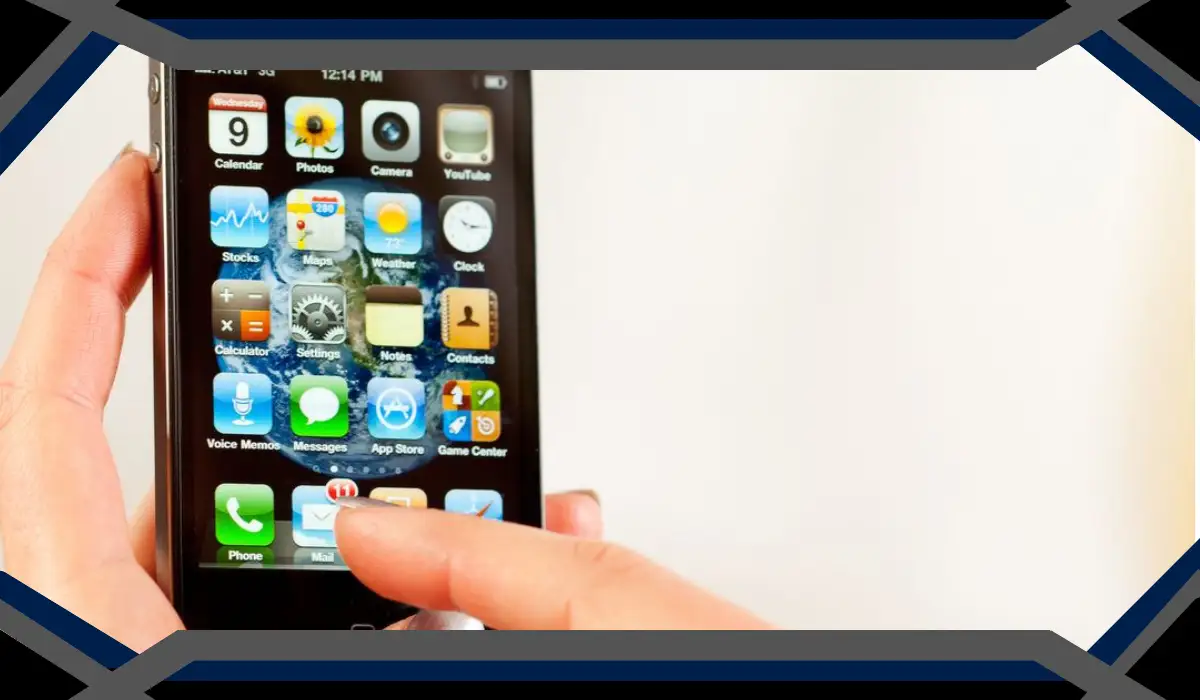
Nineteen years ago, Apple introduced a product that forever changed the technology industry. On June 29, 2007, the original iPhone officially went on sale in the United States, combining a mobile phone, an iPod, and an internet communicator into a single device.
At the time, few imagined how significant that launch would become. Today, as the iPhone Turns 19, it has evolved from an innovative smartphone into the center of modern digital life. It has transformed how people communicate, work, capture memories, shop, travel, and access information while influencing industries worth billions of dollars.
The iPhone Turns 19 milestone isn’t simply about celebrating Apple’s most successful product. It’s about recognizing how one device reshaped everyday life and laid the foundation for today’s mobile-first world.
Quick Facts About the Original iPhone
| Feature | Details |
| Launch Date | June 29, 2007 |
| Introduced By | Steve Jobs |
| Display | 3.5-inch Multi-Touch |
| Storage | 4GB & 8GB |
| Biggest Innovation | Touchscreen interface without a physical keyboard |
| Operating System | iPhone OS (later renamed iOS) |
The Original iPhone Changed the Smartphone Industry
When Steve Jobs unveiled the iPhone in January 2007, he famously described it as three revolutionary products in one: a widescreen iPod, a mobile phone, and an internet communicator.
Although smartphones already existed, they relied heavily on physical keyboards, styluses, and complicated navigation. The iPhone introduced an intuitive multi-touch display that allowed users to tap, swipe, and pinch naturally.
More importantly, Apple shifted the focus from hardware to software. Instead of designing phones around buttons, it created a platform where software determined the user experience. That philosophy quickly became the standard adopted across the smartphone industry.
From Mobile Phone to Everyday Computer
The original iPhone began as a premium communication device. Nineteen years later, smartphones have become the primary computers for billions of people.
Today, users rely on their iPhones to browse the internet, send emails, attend video meetings, navigate cities, shop online, stream entertainment, manage finances, and even work remotely.
Tasks that once required a desktop or laptop can now be completed from virtually anywhere, fundamentally changing how people interact with technology.
One Device Replaced Many Others
One of the iPhone’s biggest achievements was eliminating the need for multiple everyday gadgets.
Before smartphones became mainstream, consumers often carried an MP3 player for music, a digital camera for photos, a GPS device for navigation, and an alarm clock beside the bed.
The iPhone gradually absorbed all of these functions into one device.
Today it serves as a camera, music player, flashlight, calculator, notebook, calendar, GPS navigator, voice recorder, and much more. This convenience not only simplified daily life but also transformed the consumer electronics market.
The App Store Created a New Digital Economy
While the original iPhone introduced a new way to use mobile technology, the launch of the App Store in 2008 unlocked its true potential.
Developers gained access to a global marketplace where they could build applications for millions of users. Simple apps soon expanded into entire industries spanning education, finance, healthcare, entertainment, shopping, productivity, and gaming.
The App Store also fueled the rise of startups that became household names. Ride-hailing services, food delivery platforms, mobile banking apps, and fitness trackers all benefited from the smartphone ecosystem.
Today, the global app economy supports millions of developers and businesses, making the iPhone far more than just a hardware product.
How the iPhone Revolutionized Photography
The iPhone didn’t simply improve mobile cameras,it changed photography itself.
Before smartphones, sharing photos required transferring images from a camera to a computer before uploading them online.
The iPhone simplified the entire process by allowing users to capture, edit, and instantly share photos from one device.
As Apple introduced computational photography, features such as Portrait Mode, Night Mode, Smart HDR, and advanced image processing helped everyday users take professional-quality photos with minimal effort.
This evolution also fueled the growth of Instagram, TikTok, YouTube Shorts, and the creator economy, enabling millions of people to become photographers, influencers, journalists, and content creators using only a smartphone.
The iPhone Changed Human Behavior
Perhaps the iPhone’s greatest impact wasn’t technological,it was social.
Instant messaging, video calls, maps, online shopping, and mobile payments became available almost everywhere. People began consuming information, communicating with friends, and managing daily tasks directly from their phones.
The smartphone also changed the way businesses operate, allowing employees to work remotely while giving customers constant access to digital services.
However, this transformation also introduced new challenges. Screen addiction, endless scrolling, online distractions, and digital wellbeing have become major concerns over the past decade.
Apple has responded by introducing tools such as Screen Time and Focus Mode, encouraging healthier relationships with technology.
Industries That Were Transformed
The iPhone’s influence extends well beyond consumer technology.
Transportation evolved through ride-sharing services powered by GPS and mobile connectivity. Retail embraced mobile commerce, allowing customers to shop from anywhere. Streaming platforms changed how people consume movies, television, and music, while digital banking made financial services available around the clock.
Healthcare also adopted smartphone technology through fitness tracking, telemedicine, and health-monitoring applications.
Although the iPhone didn’t create these industries alone, it provided the mobile infrastructure that helped them grow rapidly.
A Timeline of iPhone Innovation
| Year | Milestone |
| 2007 | Original iPhone launches |
| 2008 | App Store introduced |
| 2010 | Retina Display debuts |
| 2011 | Siri arrives |
| 2013 | Touch ID introduced |
| 2017 | Face ID and edge-to-edge display |
| 2020 | 5G connectivity |
| 2023 | USB-C arrives on iPhone |
| 2025–2026 | Greater focus on on-device AI |
Each generation has introduced meaningful improvements while building on the vision first introduced in 2007.
Is the iPhone Entering a New Era?
As the iPhone Turns 19, another evolution appears to be taking shape.
For nearly two decades, the iPhone has been Apple’s flagship product. Today, however, the company is expanding its ecosystem with devices such as smartwatches, wireless earbuds, and mixed reality headsets that increasingly rely on the iPhone as their central processing hub.
Artificial intelligence is expected to play an even bigger role in the years ahead, allowing smartphones to anticipate user needs, automate everyday tasks, and deliver more personalized experiences.
Rather than fading away, the iPhone is evolving into the heart of an intelligent ecosystem connecting multiple devices.
Why the iPhone’s Legacy Still Matters
The iPhone’s greatest achievement isn’t simply introducing groundbreaking features,it’s changing expectations.
Consumers now expect responsive touchscreens, powerful cameras, secure mobile payments, seamless app experiences, and constant internet access because the iPhone helped make those features mainstream.
Few products have reshaped both technology and society on such a global scale.
Final Thoughts
As the iPhone Turns 19, its influence extends far beyond Apple. It transformed smartphones into everyday computers, replaced countless standalone devices, revolutionized photography, fueled the app economy, and reshaped industries ranging from transportation to healthcare.
Looking ahead, artificial intelligence, wearable technology, and ambient computing will likely define the next chapter of personal technology. Yet the iPhone remains at the center of that evolution.
Nearly two decades after its debut, the iPhone isn’t simply one of Apple’s greatest products,it remains one of the most influential technologies ever created, continuing to shape how billions of people connect, work, create, and experience the digital world.
Frequently Asked Questions
When was the original iPhone released?
The original iPhone launched in the United States on June 29, 2007.
Why was the first iPhone revolutionary?
It combined a phone, music player, and internet communicator while introducing an intuitive multi-touch interface that changed smartphone design.
How did the App Store change the industry?
The App Store allowed developers to create and distribute mobile apps globally, giving rise to today’s app economy and countless digital businesses.
Leave a Reply