Author: admin

  • Marketing Metrics: Beyond the Data What Actually Drives Success?

    Marketing Metrics: Beyond the Data What Actually Drives Success?

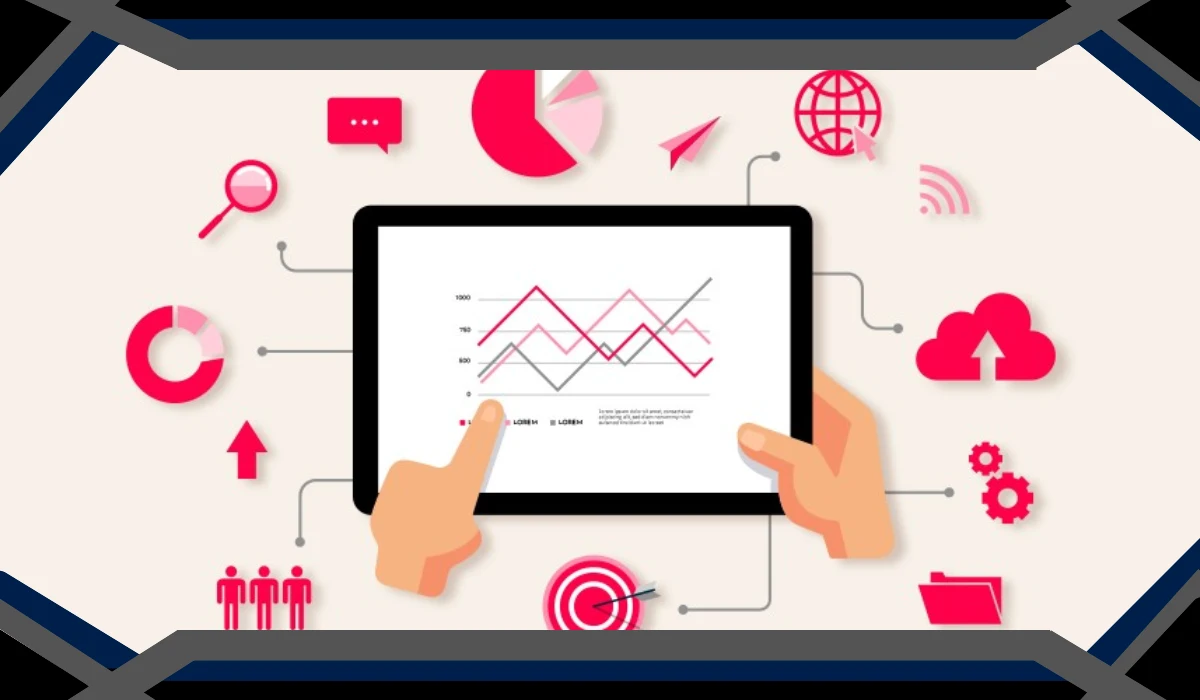
    In the modern digital landscape, we are drowning in a sea of data. Every click, scroll, and impression is logged, leaving business owners and marketing directors with a mountain of spreadsheets. However, possessing data is not the same as possessing insight. If you attempt to track everything, you are effectively tracking nothing. To truly master your performance, you must identify the specific marketing metrics that correlate directly with your bottom line.

    The hard truth is that many teams get distracted by “vanity metrics” those shiny numbers that look impressive in a slide deck but fail to pay the bills. This article will help you separate the signal from the noise, allowing you to focus on the numbers that actually move the needle.

    The Strategic Power of Marketing Metrics

    Before diving into the specific formulas, we must understand the philosophy of measurement. The primary goal of data tracking is to make informed decisions about where to allocate your limited resources. If a metric doesn’t help you decide whether to scale a campaign or kill it, it likely isn’t worth your focus.

    Marketing has evolved from a vague attempt at “brand awareness” into a measurable engine for growth. By focusing on the right indicators, you transform marketing from a cost center into a predictable profit generator.

    1. Customer Acquisition Cost (CAC)

    The most fundamental question in business is: How much does it cost to win a new customer? Customer Acquisition Cost is calculated by dividing your total marketing and sales spend by the number of new customers acquired during a specific period.

    If your CAC is higher than the value a customer brings to your brand, your business model is unsustainable. Monitoring this allows you to see which channels be it search, social, or email are the most efficient. Reducing CAC while maintaining lead quality is the ultimate goal of any performance driven team.

    2. Customer Lifetime Value (LTV)

    While CAC tells you what you spent, LTV tells you what that customer is worth over the entire duration of your relationship. A high acquisition cost might be perfectly acceptable if the LTV is exceptionally high. For example, a luxury service provider might spend $500 to acquire a client who eventually spends $10,000 over three years.

    The ratio of LTV to CAC is a vital health indicator. Ideally, you want an LTV that is at least three times your CAC. This ensures you have enough margin to cover operational costs and still turn a profit. Understanding customer retention strategies is essential for boosting this specific number over time.

    3. Conversion Rate (CR)

    Traffic is a vanity stat if it doesn’t lead to action. Whether it’s signing up for a newsletter, downloading a whitepaper, or completing a purchase, the conversion rate measures the effectiveness of your website and messaging.

    Low conversion rates often point to a disconnect between your advertisements and your landing pages. It might also suggest that your user interface is creating friction. By optimizing your conversion funnel, you can extract significantly more value out of the traffic you already have without spending an extra dime on new ads.

    4. Return on Ad Spend (ROAS)

    For teams running paid media, ROAS is the ultimate pulse check. It measures the gross revenue generated for every dollar spent on advertising. While it doesn’t account for other business expenses like shipping or labor, it is the best way to gauge the immediate effectiveness of a specific campaign.

    If you spend $1,000 on Google Ads and generate $5,000 in sales, your ROAS is 5:1. This allows you to compare different platforms directly and double down on the winners. Analyzing digital attribution models can help you see which specific touchpoints contributed most to that final purchase.

    5. Marketing Originated Customer Percentage

    This metric shows what percentage of your new business started with a marketing effort. It helps bridge the gap between the marketing team and the sales department. In many organizations, sales teams feel they do all the heavy lifting. By tracking how many leads were touched and nurtured by marketing before reaching a salesperson, you can prove the department’s true financial value.

    Identifying and Avoiding Vanity Metrics

    It is easy to get excited about “Likes,” “Followers,” or “Page Views.” While these numbers can indicate brand reach, they are often misleading. You can have a million followers and zero revenue. These are known as vanity metrics because they stroke the ego without impacting the bank account.

    Instead of looking at total reach, look at engagement depth. Are people clicking through to your site? Are they staying on the page for more than a few seconds? Are they returning? High traffic with a 99% bounce rate usually means your content isn’t relevant to the audience you’re reaching.

    How to Align Metrics with the Marketing Funnel

    To get the most out of your data, you should categorize your numbers based on the customer journey:

    • Awareness (Top of Funnel): Focus on Brand Search Volume and Unique Visitors.
    • Consideration (Middle of Funnel): Focus on Lead Growth and Click Through Rates (CTR).
    • Conversion (Bottom of Funnel): Focus on Sales, CAC, and ROAS.

    By segmenting your data this way, you can identify exactly where the “leak” is in your sales process. If you have plenty of awareness but no leads, your middle of funnel content likely needs an overhaul.

    The Importance of Multi Touch Attribution

    In a perfect world, a customer sees one ad, clicks it, and buys. In reality, a customer might see an Instagram post, read a blog article a week later, and finally buy after receiving an email.

    Attribution modeling allows you to give credit to the various steps in that journey. If you only look at “Last Click” (the very last thing they did before buying), you might unknowingly cut the budget for the social media posts that introduced them to your brand in the first place.

    Choosing the Right Tools for Tracking

    You don’t need a million dollar software suite to track your performance effectively. For most businesses, a combination of Google Analytics, a reliable CRM (like HubSpot), and the native analytics tools within your social platforms will suffice. The key is consistency. Ensure your tracking pixels are installed correctly and that your team is reporting on the same core figures every month.

    Conclusion

    The secret to sustainable growth isn’t tracking more data; it’s tracking the right data. By focusing on CAC, LTV, and conversion rates, you move away from guesswork and toward a scientific approach to marketing. Your numbers are the audience’s way of telling you what they actually want from your brand.

    Stop getting distracted by the “noise” of social media likes and start focusing on the indicators that reflect actual business health. When you align your marketing metrics with your long term financial goals, you create a roadmap for scalable success. Clear, actionable data is the most powerful tool any marketer can have in their arsenal.

  • Significato del numero angelico 2323: Comunicazione, creatività e tempismo divino

    Significato del numero angelico 2323: Comunicazione, creatività e tempismo divino

    Hai mai guardato l’orologio esattamente alle 23:23 o notato questa sequenza numerica su una targa o uno scontrino? Non si tratta di una semplice coincidenza. Incontrare il numero angelico 2323 è un segnale potente proveniente dall’universo, un messaggio d’amore e guida che i tuoi custodi spirituali stanno cercando di trasmetterti. Questa sequenza è ricca di simbolismo e vibrazioni positive che toccano ogni aspetto della nostra esistenza quotidiana e spirituale.

    Capire il numero angelico 2323 significa immergersi in un mondo dove la numerologia incontra la crescita personale. Gli angeli usano questi numeri per attirare la nostra attenzione e ricordarci che non siamo mai soli nel nostro percorso. Se vedi spesso questa combinazione, preparati a un periodo di grande espansione e consapevolezza.

    Il significato spirituale del numero angelico 2323

    Il numero angelico 2323 è una miscela armoniosa delle energie del numero 2 e del numero 3, entrambi ripetuti due volte, il che ne raddoppia l’influenza e l’importanza. Per comprendere appieno il suo impatto, dobbiamo analizzare i singoli componenti che formano questa sequenza magica.

    La forza del numero 2: Equilibrio e Dualità

    Il numero 2 risuona con le vibrazioni della diplomazia, della cooperazione e dell’adattabilità. Rappresenta la fede e la fiducia nel proprio scopo di vita divino. Quando appare raddoppiato nel numero angelico 2323, enfatizza la necessità di trovare armonia nelle relazioni, sia con gli altri che con se stessi. È un invito a servire la propria missione con devozione e pazienza.

    L’energia del numero 3: Creatività ed Espressione

    Il numero 3 è legato all’auto espressione, all’entusiasmo e alla crescita. È il numero dei Maestri Ascesi, indicando che essi sono intorno a te, pronti ad aiutarti a manifestare i tuoi desideri. Nel contesto del numero angelico 2323, il 3 suggerisce che le tue doti creative sono pronte per essere mostrate al mondo. Non temere di comunicare la tua verità.

    Comunicazione e Relazioni nel numero angelico 2323

    Uno dei pilastri fondamentali di questo numero è la comunicazione. Gli angeli ti stanno dicendo che il modo in cui interagisci con il mondo esterno sta per cambiare o necessita di una revisione. Se hai vissuto tensioni nei rapporti interpersonali, l’apparizione del numero angelico 2323 suggerisce che è il momento di parlare apertamente.

    Esprimere i propri sentimenti con onestà

    Spesso tratteniamo le nostre emozioni per paura di essere giudicati o di creare conflitti. Tuttavia, questo numero ti incoraggia a essere vulnerabile. La vera connessione nasce dalla sincerità. Attraverso una comunicazione chiara, puoi risolvere vecchi malintesi e costruire fondamenta più solide per il futuro.

    Il ruolo dell’ascolto attivo

    Comunicare non significa solo parlare. Il numero angelico 2323 ti ricorda di ascoltare ciò che gli altri hanno da dire. A volte, la guida divina arriva attraverso le parole di un amico, di un collega o persino di uno sconosciuto. Resta aperto ai messaggi che ricevi dall’esterno.

    Creatività e Manifestazione del potenziale

    Sei una persona naturalmente creativa, anche se a volte tendi a dimenticarlo. Il numero angelico 2323 agisce come un catalizzatore per la tua immaginazione. Ti invita a intraprendere nuovi progetti o a riprendere quegli hobby che hai trascurato per troppo tempo.

    Trasformare le idee in realtà

    Molte persone hanno grandi sogni ma temono di non avere le capacità per realizzarli. La presenza del numero angelico 2323 indica che hai tutto il supporto necessario per avere successo. La tua creatività è uno strumento sacro che può portare gioia non solo a te, ma anche a chi ti circonda. Che si tratti di arte, scrittura, cucina o risoluzione di problemi lavorativi, la tua prospettiva unica è preziosa.

    Comprendere la legge dell’attrazione può aiutarti a canalizzare meglio questa energia creativa per ottenere ciò che desideri veramente.

    Superare i blocchi mentali

    Se ti senti bloccato, il numero angelico 2323 ti suggerisce di cambiare ambiente o di provare un nuovo approccio. Gli angeli ti spingono a uscire dalla tua zona di comfort. La creatività fiorisce dove c’è libertà e assenza di giudizio. Lascia fluire le tue idee senza cercare la perfezione immediata.

    Il Tempismo Divino e la Fiducia nel Percorso

    Un aspetto cruciale del numero angelico 2323 riguarda il concetto di tempismo divino. Spesso vogliamo che le cose accadano subito, ma l’universo ha un orologio tutto suo. Questo numero è un promemoria per avere pazienza e fiducia nel processo.

    Perché tutto accade al momento giusto

    Potresti sentirti frustrato perché certi obiettivi sembrano lontani. Il numero angelico 2323 ti assicura che ogni ritardo è protettivo o preparatorio. Forse c’è ancora qualcosa che devi imparare o una situazione che deve allinearsi prima che tu possa accogliere pienamente la tua prossima benedizione.

    Rimanere positivi durante l’attesa

    Mantenere un atteggiamento positivo è essenziale quando si lavora con il numero angelico 2323. I tuoi pensieri sono semi che pianti nel giardino della tua realtà. Se coltivi pensieri di dubbio, raccoglierai incertezza. Se coltivi fede, vedrai miracoli accadere nei momenti più inaspettati.

    Numero angelico 2323 e l’Amore: Fiamme Gemelle e Anime Compagne

    In ambito sentimentale, questa sequenza numerica porta messaggi di speranza e rinnovamento. Se sei single, il numero angelico 2323 indica che un incontro significativo è all’orizzonte, a patto che tu sia disposto a comunicare il tuo vero io.

    Per le coppie: Rafforzare il legame

    Se hai già una relazione, questo numero suggerisce una fase di maggiore complicità. È il momento ideale per pianificare il futuro insieme, condividere sogni e risolvere eventuali pendenze. La creatività può giocare un ruolo divertente nel mantenere viva la scintilla.

    L’unione delle Fiamme Gemelle

    Per chi è nel percorso delle fiamme gemelle, il numero angelico 2323 è un segno di equilibrio. Indica che entrambi i partner stanno lavorando sulla propria crescita individuale, il che è fondamentale per una riunione armoniosa. Il tempismo divino sta lavorando dietro le quinte per avvicinarvi.

    Cosa fare quando vedi il numero angelico 2323

    Vedere ripetutamente il numero angelico 2323 richiede un’azione consapevole da parte tua. Non ignorare questi segnali; usali come bussola per la tua giornata.

    • Pratica la gratitudine: Ringrazia gli angeli per la loro guida costante. La gratitudine eleva la tua vibrazione.
    • Scrivi i tuoi pensieri: Tieni un diario per annotare quando e dove vedi il numero angelico 2323. Spesso, ciò a cui stavi pensando in quel momento è la chiave del messaggio.
    • Affermazioni positive: Usa frasi come “Sono in sintonia con il tempismo divino” o “Comunico con chiarezza e amore” per rinforzare l’energia del numero.

    Conclusione

    In sintesi, il numero angelico 2323 è un potente invito a vivere una vita piena di espressione, armonia e fiducia. Gli angeli ti stanno ricordando che hai il potere di co creare la tua realtà attraverso le tue parole, le tue azioni e la tua arte. Non avere fretta; tutto si sta svolgendo esattamente come dovrebbe.

    Abbraccia la tua unicità e permetti alla tua luce interiore di risplendere. Quando ti allinei con le vibrazioni del numero angelico 2323, apri la porta a infinite possibilità e a una pace profonda che deriva dal sapere che sei guidato in ogni passo. Ricorda sempre che il tuo significato spirituale personale è unico e degno di essere esplorato con curiosità e amore.

    Continua a guardare avanti con ottimismo, perché l’universo sta lavorando a tuo favore, orchestrando incontri e opportunità che trasformeranno la tua vita in un capolavoro di creatività e connessione.

  • Content Repurposing Guide: Turn One Piece Into 10 High Value Assets

    Content Repurposing Guide: Turn One Piece Into 10 High Value Assets

    For any modern blogger, the pressure to produce a constant stream of fresh material can be overwhelming. You spend hours researching, writing, and polishing a masterpiece, only for it to disappear from the homepage in a matter of days. This is where Content Repurposing becomes the most essential tool in your blogging toolkit. Instead of struggling to find a new topic every morning, you can take one high performing post and adapt it into multiple formats to capture different segments of your audience.

    Effective Content Repurposing allows you to breathe new life into your archives. It ensures that your hard work continues to drive traffic, build authority, and generate leads long after the initial publish date. In this guide, we will break down the exact process of turning a single pillar article into ten distinct, high value assets.

    Why Every Blogger Needs Content Repurposing

    The digital landscape is crowded, and your readers have varying preferences for how they consume information. Some prefer a quick visual summary, while others want to listen to an audio version while they work. If you only provide a text based blog post, you are missing out on a massive portion of your potential reach.

    By diversifying your formats, you create multiple entry points to your brand. This strategy also helps with SEO by creating a web of related content that points back to your original source. It is about working smarter by squeezing every drop of value out of your best ideas.

    1. Transform Your Post into an Engaging Email Sequence

    Your email list is your most direct line to your audience. Instead of just sending a link to your new post, break the post down into a three part email series.

    • Email 1: Introduce the problem and the “why” behind the topic.
    • Email 2: Share a specific case study or a “how to” step from the article.
    • Email 3: Provide a summary of the results and a final call to action.

    2. Create Bite Sized Social Media Quotes

    Every great blog post has “tweetable” moments sentences that are punchy, provocative, or profound. Pull out 5 to 10 of these quotes and turn them into graphic cards for Instagram or Facebook. This keeps your social feeds active without requiring you to write entirely new captions from scratch.

    3. Develop a Detailed Video Tutorial

    Video content is highly favored by search engines and social algorithms alike. Use your blog post as a script and record a video explaining the core concepts. You can upload the full version to YouTube and embed it back into the original blog post to increase “dwell time,” which is a significant factor for ranking.

    4. Design an Educational Infographic

    Complex data or step by step processes are often easier to understand visually. Take the main points of your post and design an infographic. This asset is perfect for platforms like Pinterest, where visual guides have a very long shelf life and can drive consistent referral traffic back to your site for years.

    5. Construct a LinkedIn Slide Deck

    LinkedIn is a powerful platform for professional reach. You can take the subheaders of your blog and create a PDF carousel. To ensure your slides resonate with a professional audience, it is helpful to follow a strategic marketing framework that highlights ROI and industry growth. This format often sees higher engagement than standard text posts on the platform.

    6. Host a Live Q&A Session

    Take the topic of your blog post and go live on Instagram, TikTok, or Facebook. Use the comments section of your blog to see what questions people had and answer them in real time. This adds a human element to your content and builds a deeper connection with your community.

    7. Record an Audio Version or Podcast Episode

    Many readers are “listeners” who prefer to consume content during their commute. You don’t need a formal podcast to do this; simply offer an “audio version” at the top of your blog post. Understanding content distribution networks will help you decide if you should also upload these audio clips to platforms like Spotify or SoundCloud to reach a broader audience.

    8. Build a Downloadable Checklist or Worksheet

    Turn the “action items” of your blog post into a functional tool. If you wrote a guide on gardening, create a “Seasonal Planting Checklist.” This adds massive value to the reader and serves as an excellent lead magnet to grow your email subscriber list.

    9. Answer Relevant Questions on Forums

    Search for threads on Reddit or Quora that relate to your blog’s topic. Use portions of your content to provide helpful, detailed answers. By providing the solution directly in the forum and mentioning your full guide for further reading, you establish yourself as a helpful expert in the space.

    10. Compile Multiple Posts into an E book

    Once you have repurposed several posts on a similar theme, you can bundle them together into a comprehensive E book. This can be sold as a digital product or offered as a high value incentive for new subscribers. It turns your individual blog efforts into a long term asset that builds your authority.

    Conclusion: Mastering the Content Cycle

    Content Repurposing is not just a trend; it is a necessity for any blogger looking to stay relevant in 2026. By focusing on quality over quantity, you can ensure that every piece of content you produce works ten times harder for you.

    When you stop viewing a blog post as a one time event and start seeing it as a source for multiple assets, your productivity will skyrocket. Start looking through your top performing archives today you likely already have a goldmine of content just waiting to be transformed.

  • Building Trust Online: Proven Ways to Connect with Your Audience

    Building Trust Online: Proven Ways to Connect with Your Audience

    In an era where digital interactions often replace face-to-face meetings, the foundation of every successful digital venture is building trust online. For US businesses and content creators, the internet is a crowded marketplace where Skepticism is the default setting for most consumers. You aren’t just competing for clicks; you are competing for confidence. Establishing a reliable reputation requires more than just a slick website; it demands a consistent commitment to honesty, value, and security. When users feel safe and respected, they transition from casual browsers to loyal advocates.

    The Foundation of Building Trust Online

    Before you can implement advanced marketing tactics, you must master the basics of building trust online through professional presentation. Your website is your digital storefront. If it looks outdated, loads slowly, or contains broken links, users will instinctively question your legitimacy. In the United States, consumers are particularly sensitive to user experience. A clean design and intuitive navigation signal that you are a serious professional who cares about the visitor’s journey.

    Transparency and Honesty

    The quickest way to lose an audience is through obfuscation. Transparency involves being upfront about who you are, what you do, and how you handle data. This includes having an easily accessible “About Us” page that tells your story and introduces the real people behind the screen. When people see faces and read genuine narratives, the digital barrier thins, making the process of building trust online much more natural.

    Security Features and Privacy

    With data breaches making headlines regularly, security is nonnegotiable. Ensure your site uses HTTPS encryption. Displaying trust badges from recognized security providers can provide immediate peace of mind. Furthermore, a clear, jargon-free privacy policy tells your US audience exactly how their information is used, which is a critical step in building trust online in a privacy-conscious climate.

    Leveraging Social Proof to Validate Your Brand

    Social proof is a psychological phenomenon where people look to the behaviors of others to determine the correct way to act. In the digital world, this is one of the most effective methods for building trust online. When a new visitor sees that hundreds of others have had a positive experience with you, their perceived risk drops significantly.

    Customer Reviews and Testimonials

    Third-party validation is worth more than any self-promotion. Encourage your satisfied clients to leave reviews on platforms like Google, Yelp, or industry-specific sites. Displaying these testimonials prominently on your homepage or product pages provides the “receipts” that modern consumers demand. Genuine feedback, even if it includes the occasional constructive critique, feels more authentic than a wall of perfect five-star ratings.

    Influencer and Peer Endorsements

    Collaborating with respected figures in your niche can fast track the process of building trust online. When an influencer that an audience already trusts vouches for your brand, that trust is partially transferred to you. However, ensure these partnerships are authentic; modern audiences can easily spot a forced or insincere endorsement.

    Consistent and Valuable Content Creation

    Content is the voice of your brand. By consistently providing high-quality, helpful information, you position yourself as an authority. Authority breeds confidence, which is essential for building trust online over the long term. If you consistently solve problems for your audience without asking for anything in return, you build a “trust bank” that makes future transactions much smoother.

    Educational Blog Posts and Guides

    Instead of constant selling, focus on teaching. Detailed guides that address specific pain points of your target demographic show that you understand their needs. For instance, understanding consumer psychology trends can help you tailor your messaging to be more empathetic and effective. When you provide value for free, you prove your expertise and your commitment to the community.

    Video Content and Live Streams

    Video allows your audience to see your body language and hear your voice, which are vital components of human connection. Live Q&A sessions are particularly powerful for building trust online because they allow for real-time interaction. They show that you are not hiding behind a keyboard and are willing to answer tough questions on the spot.

    Responsive Communication and Customer Support

    How you handle inquiries and complaints says more about your brand than any marketing campaign ever could. Building trust online requires being present and responsive. If a customer reaches out with a problem and receives a prompt, helpful response, their loyalty often increases beyond what it would have been if they had never had a problem at all.

    Utilizing Live Chat and AI Chatbots

    While human interaction is gold, AI chatbots can provide immediate assistance for basic queries 24/7. The key is to ensure the handoff to a human representative is seamless when the issue becomes complex. Providing multiple channels for communication email, social media, and phone ensures that your audience can reach you in the way they feel most comfortable.

    Managing Negative Feedback Publicly

    No business is perfect. When mistakes happen, address them openly. Responding to a negative review with grace and a solution shows potential customers that you stand behind your work. This level of accountability is a cornerstone of building trust online. It demonstrates that your priority is customer satisfaction rather than just protecting your image.

    Establishing Long-Term Credibility

    Trust is not a one-time achievement; it is a continuous process. To maintain the bond you have built, you must remain consistent in your messaging, your quality, and your values. In the US market, where brand loyalty is hard-won, maintaining a high standard is the only way to survive.

    Case Studies and Success Stories

    Go beyond simple testimonials by publishing in-depth case studies. These documents should outline the specific challenges a client faced, the solutions you provided, and the measurable results achieved. Data-driven proof is incredibly persuasive for B2B audiences and skeptical B2C consumers alike.

    Ethical Marketing Practices

    Avoid clickbait headlines, hidden fees, or high-pressure sales tactics. These might result in short-term gains, but they are toxic to the goal of building trust online. Focus on permission-based marketing, such as email newsletters where users have explicitly opted in. Respecting your audience’s time and inbox is a sign of professional maturity.

    Industry Certifications and Awards

    If your business has earned industry-recognized certifications or won awards, display them. These external accolades serve as a “stamp of approval” from experts in your field. They provide an objective layer of validation that helps in building trust online with visitors who may not be familiar with your brand yet. Following established industry standards ensures that you are operating at a level that commands respect from both peers and customers.

    Conclusion

    Building trust online is a multifaceted endeavor that requires patience, consistency, and a genuine desire to serve your audience. By focusing on a professional digital presence, leveraging social proof, providing immense value through content, and maintaining open lines of communication, you create a resilient brand that can weather any market shift. Remember that in the digital landscape, your reputation is your most valuable asset. Protect it by always putting the needs and security of your audience first, and you will find that the rewards of a loyal following are well worth the effort.

  • Elements of Personal Brand: The 5 Pillars of High Trust

    Elements of Personal Brand: The 5 Pillars of High Trust

    In an era where digital footprints are often the first point of contact, your professional reputation is your most valuable currency. Whether you are an entrepreneur, a corporate executive, or a creative freelancer, the way the world perceives you determines the opportunities that come your way. Building a brand isn’t just about aesthetic logos or catchy taglines; it is about the foundational elements of personal brand that foster genuine human connection and reliability.

    When people search for your name, they are looking for a reason to trust you. Trust is the bridge between being a stranger and becoming a partner, mentor, or service provider. Without it, even the most polished marketing falls flat. To stand out in a saturated market, you must focus on the psychological and strategic components that signal credibility. This article breaks down the five essential pillars you need to master to create a lasting, high trust presence in your industry.

    Elements of Personal Brand That Build Lasting Trust

    The first step in any brand strategy is understanding that trust is not given; it is earned through repeated positive interactions. When we look at the specific elements of personal brand, we see a pattern of behavior and communication that aligns with the audience’s needs. Trust is built when your public persona matches your private reality.

    1. Authenticity: The Core of Human Connection

    Authenticity is often cited as a buzzword, but its importance cannot be overstated. In a world increasingly filled with AI generated content and filtered realities, people crave the “real.” Authenticity means showing up as your true self, including your quirks, your unique perspective, and even your occasional failures.

    To be authentic, you must:

    • Identify your core values and stick to them.
    • Share personal stories that illustrate your professional journey.
    • Avoid trying to mimic the “top influencers” in your niche.

    When you are authentic, you reduce the friction of maintaining a “mask.” This transparency allows your audience to feel like they know you, which is the first step toward high trust.

    2. Consistency: The Secret to Reliability

    Consistency is the heartbeat of your professional identity. If you are insightful one day and silent for a month, or if your tone shifts from professional to aggressive without reason, you confuse your audience. Confusion is the enemy of trust.

    The elements of personal brand require consistency across three main areas:

    • Visual Identity: Using the same color palettes, fonts, and professional headshots across LinkedIn, personal websites, and speaking engagements.
    • Messaging: Having a clear “north star” or a core message that you reinforce in every piece of content.
    • Frequency: Showing up regularly so that you stay top of mind for your network.

    Creating Value Through Expert Positioning

    Trust is also built on the foundation of competence. It is not enough to be liked; you must be respected for what you know and what you can do. This brings us to the importance of value and how it integrates into the broader framework.

    3. Value Driven Content and Problem Solving

    Your brand should not be a megaphone for your achievements; it should be a resource for your audience. High trust brands focus on solving problems. Every time you share a tip, a case study, or a deep dive into a complex topic, you are making a “deposit” into the trust bank of your followers.

    Consider the 80/20 rule: 80% of your output should be helpful, educational, or inspiring, while only 20% should be promotional. By focusing on helping others, you position yourself as an authority. This is where understanding your user intent strategy becomes vital, as it ensures the content you produce actually meets the needs of those looking for your expertise.

    4. Social Proof and External Validation

    We are social creatures who look to others for cues on who to trust. This is why testimonials, endorsements, and case studies are such critical elements of personal brand development. When a third party vouches for your expertise, it carries more weight than when you claim it yourself.

    Ways to build social proof include:

    • Gathering LinkedIn recommendations from colleagues and clients.
    • Showcasing logos of publications or companies you have worked with.
    • Sharing “behind the scenes” results of projects you have completed.

    The Power of Visibility and Engagement

    The final piece of the puzzle is how you interact with the community you have built. A brand is a two way conversation, not a monologue.

    5. Meaningful Engagement and Accessibility

    A high trust brand belongs to someone who is approachable. If you post content but never reply to comments or engage with others’ work, you appear distant and “corporate.” Building trust requires a level of intimacy that only comes from direct interaction.

    Engagement helps humanize your brand. It shows that there is a real person behind the profile who cares about the community. This accessibility builds a loyal following that will advocate for you even when you aren’t in the room.

    Refining Your Long Term Strategy

    Building these pillars takes time. You cannot manufacture trust overnight. It is a slow build that requires patience and a commitment to excellence. As you refine the various elements of personal brand, you will notice that opportunities begin to find you, rather than you having to hunt for them.

    Focus on the intersection of what you are good at, what the world needs, and how you can uniquely deliver that message. When these three things align, your personal brand becomes an unstoppable force for career growth and professional fulfillment. Mastery of these concepts is often supported by a digital marketing framework that organizes your efforts into a cohesive plan.