Author: admin

  • Grow Without Going Viral: The Strategic Path to a Loyal Social Media Audience

    Grow Without Going Viral: The Strategic Path to a Loyal Social Media Audience

    The obsession with hitting the jackpot on social media has reached an all time high. Everyone wants that one golden video or post that catapults them from obscurity to fame overnight. However, the secret that many successful creators and business owners won’t tell you is that sudden fame is often a trap. When you explode overnight, you gain a massive number of followers who might not actually care about your core message. They are there for the trend, not the brand.

    Learning how to grow without going viral is actually the most reliable way to build a business or a personal brand that lasts. Instead of chasing the algorithm, you focus on chasing connection. This approach ensures that every person who hits that follow button is doing so because they find genuine value in what you provide. Slow growth is stable growth, and in the world of digital marketing, stability is the ultimate currency.

    Grow Without Going Viral Through Consistent Value

    The first step in a sustainable strategy is shifting your mindset from entertainment to utility. Viral content is often based on luck, timing, or a fleeting trend. Sustainable growth, on the other hand, is based on a predictable exchange of value. When you show up every day with information, inspiration, or a solution to a problem, you build a know, like, and trust factor that a single viral hit can never replicate.

    To master the art of how to grow without going viral, you need to identify your specific niche. Instead of trying to appeal to everyone, aim to be the go to resource for a very specific group of people. This targeted approach allows you to create content that speaks directly to the pain points of your audience. When people feel seen and understood by your content, they don’t just like it; they bookmark it, share it with their inner circle, and keep coming back for more.

    The Power of Micro Content

    You do not need a cinematic masterpiece to grow. Micro content short tips, quick observations, or simple behind the scenes looks can be incredibly effective. The goal is to lower the barrier to entry for your audience. If they can learn one thing from you in fifteen seconds, you have won. This type of consistency keeps you at the top of their minds without requiring you to reinvent the wheel every single day.

    Leveraging Search Engine Optimization on Social

    Many people forget that platforms like Instagram, TikTok, and YouTube are essentially search engines. By using relevant keywords in your captions and bios, you allow people to find you based on their interests rather than relying on a lucky break from the algorithm. This organic discovery is a cornerstone of how to grow without going viral because it connects you with users who are actively looking for the solutions you offer.

    Building Community Over Follower Counts

    A high follower count is a vanity metric if those followers do not engage with your brand. True growth is measured by the depth of your relationship with your current audience. When you have a small but highly engaged community, the platform’s algorithm recognizes your content as high quality and naturally pushes it to more people who are similar to your existing followers.

    One of the most effective ways to foster this is through direct interaction. Reply to every comment, answer your direct messages, and use interactive features like polls or Q&A boxes. This creates a feedback loop. Your audience tells you what they want to see, you provide it, and they reward you with loyalty. This strategic networking
    within your own comment section is what transforms strangers into advocates for your brand.

    Networking with Peers

    You do not have to grow in a vacuum. Collaborating with others in your niche who are at a similar level can provide a mutual boost. This isn’t about using others for their audience, but rather about providing a fresh perspective to a new group of people. These lateral connections are often much more beneficial than trying to get a shoutout from a major celebrity.

    Reliability as a Brand Pillar

    Think of your favorite local coffee shop. You don’t go there because they did something crazy and viral; you go there because the coffee is good every single time. Social media growth works the same way. If your audience knows they can expect a certain level of quality and a specific type of content from you every Tuesday and Thursday, they will stick around. Reliability builds a foundation that can withstand the ups and downs of platform changes.

    Content Diversification and Ownership

    Relying solely on one platform is a risky move. To grow without going viral in a way that is safe, you must think about where else your audience lives. The goal of social media should often be to move followers from a platform you do not own to a platform you do own, such as an email list or a personal website.

    Using Multi Channel Strategies

    If you create a great piece of content for one platform, repurpose it. A long form video can become five short clips, a blog post, and a series of images. This increases your surface area for discovery without requiring you to produce ten times the amount of work. By spreading your presence across different ecosystems, you ensure that your growth isn’t tied to the whims of a single algorithm update.

    Email Marketing Integration

    An email list is the ultimate insurance policy. While social media reach can fluctuate, your ability to land in an inbox remains constant. By offering a free resource or a weekly newsletter, you capture the attention of your most dedicated fans. This allows you to deepen the relationship and eventually convert those followers into paying customers or clients.

    Patience and the Long Game

    The most difficult part of choosing to grow without going viral is the patience required. It can be discouraging to see others blow up overnight while your numbers climb slowly. However, that slow climb represents a solid structure. A building that is built quickly often has flaws, while one built with care and precision can last for centuries.

    Focus on your content marketing foundation rather than the daily fluctuations of your analytics. If you are reaching ten new people a week who truly love what you do, you are winning. Over a year, that is over five hundred brand advocates. These are the people who will buy your products, attend your events, and support your journey for years to come.

    Conclusion

    The path to digital success does not have to be a race to the top of the trending page. By focusing on consistent value, community engagement, and strategic networking, you can build a powerful presence on your own terms. Remember that the goal is not to be known by everyone, but to be deeply valued by the right people. When you commit to the slow and steady approach, you aren’t just building a profile; you are building a legacy. Stick to your mission, serve your audience, and watch as your influence grows naturally and sustainably.


  • Content Authority and Customer Trust: The Secret to Long Term Business Success

    Content Authority and Customer Trust: The Secret to Long Term Business Success

    In a digital landscape saturated with infinite streams of information, the modern consumer has developed a sophisticated “noise filter.” They aren’t just looking for products anymore; they are searching for reliable sources of truth. This shift has placed Content Authority and Customer Trust at the very heart of successful digital marketing strategies. When a brand demonstrates deep expertise, it doesn’t just inform the audience it earns their confidence.

    The relationship between these two pillars is symbiotic. Content authority acts as the evidence of your competence, while customer trust is the emotional and logical result of that evidence. Together, they create a foundation that allows businesses to shorten sales cycles, increase customer lifetime value, and stand out in a crowded US market.

    The Foundation of Content Authority and Customer Trust

    To understand why this connection is so powerful, we must first define what it means to be an authority. Authority is not simply about posting frequently; it is about the depth, accuracy, and unique perspective your content provides. When you consistently solve problems for your audience without asking for anything in return, you build a “trust reservoir.”

    Why Authority Precedes the Sale

    In the past, marketing was about who had the loudest voice or the biggest budget. Today, it is about who provides the most value. Consumers are wary of flashy advertisements and empty promises. They prefer to do their own research, often consuming multiple pieces of content before ever reaching out to a sales representative. If your content serves as a definitive guide during their research phase, you are naturally positioned as the best choice when they are ready to buy.

    The Role of E-E-A-T in Building Credibility

    Search engines, particularly Google, place a heavy emphasis on Experience, Expertise, Authoritativeness, and Trustworthiness (E-E-A-T). While these are technical SEO signals, they mirror human behavior. Users want to know that the person writing the article actually knows what they are talking about. By aligning your strategy with these principles, you satisfy both the search engine algorithms and the human need for security.

    Bridging the Gap Between Information and Influence

    Simply having information is not enough to influence behavior. The information must be framed in a way that resonates with the specific pain points of your target audience. This is where the bridge between authority and trust is built.

    Consistency as a Trust Signal

    Trust is rarely built overnight. It is the result of consistent, predictable value. If a brand publishes a brilliant whitepaper but follows it with months of silence or low-quality social media posts, the authority begins to erode. Consistency tells the customer that you are a stable, reliable entity. It suggests that the level of care you put into your educational content is the same level of care you will put into your customer service and product development.

    Transparency and Vulnerability

    An authoritative voice does not have to be an infallible one. In fact, admitting the limitations of a product or discussing common industry challenges can actually increase trust. When a brand is transparent, it signals to the consumer that they prioritize honesty over a quick sale. This humanizes the brand, making the authority feel accessible rather than distant.

    Strategies to Enhance Your Content Authority

    Building authority requires a strategic approach to how you produce and distribute your knowledge. It is about moving from a “broadcaster” mindset to a “thought leader” mindset.

    Deep Dive Educational Content

    Surface level blog posts are common, but they rarely build authority. To be seen as a leader, you must produce “10x content” content that is ten times better than anything else available on the topic. This includes:

    • Comprehensive “How To” guides that leave no stone unturned.
    • Original research and data driven reports that provide new insights.
    • Case studies that demonstrate real world results and applications.

    Utilizing Subject Matter Experts (SMEs)

    One of the fastest ways to boost authority is to involve people who have “boots on the ground” experience. Interviews with internal engineers, designers, or veteran consultants add a layer of authenticity that a general marketing writer cannot replicate. When your content is backed by genuine expert opinions, the audience feels more secure in following your advice.

    The Quantitative Impact of Trust on ROI

    While trust might feel like a “soft” metric, it has a very hard impact on your bottom line. High trust companies frequently outperform their competitors in several key areas.

    Lower Customer Acquisition Costs (CAC)

    When your brand is viewed as an authority, you benefit from organic word of mouth and better search rankings. This reduces the reliance on expensive paid advertising. Prospective customers enter the funnel with a pre existing positive bias toward your brand, making them easier to convert.

    Higher Retention and Referrals

    Trust is the glue that keeps customers coming back. An authoritative brand becomes a go to resource even after the initial purchase. When customers trust your expertise, they are more likely to ignore the lower prices of competitors and remain loyal to your ecosystem. Furthermore, they become brand advocates, sharing your authoritative content with their own networks.

    Overcoming the “Trust Deficit” in Modern Marketing

    We live in an era of misinformation and data breaches. This has created a “trust deficit” where consumers are naturally skeptical of any corporate communication. To overcome this, your content must go above and beyond standard marketing practices.

    Evidence Based Claims

    Never make a claim without backing it up. Whether it is a statistic, a testimonial, or a logical proof, providing evidence shows that you respect the intelligence of your reader. It demonstrates that your authority is rooted in facts rather than marketing fluff.

    Interactive and Engagement Based Content

    Authority is reinforced when users can interact with your expertise. Tools like calculators, assessments, and live Q&A sessions allow customers to experience your authority firsthand. It moves the relationship from a passive one way street to an active dialogue.

    Conclusion: The Long Term Value of Credibility

    The link between Content Authority and Customer Trust is the most valuable asset a modern business can own. While SEO tactics and advertising trends may change, the human desire for reliable, expert guidance remains constant. By committing to a strategy that prioritizes high-quality, authoritative content, you aren’t just ranking higher in search results; you are building a resilient brand that people believe in.

    Investment in your content is an investment in your reputation. In an economy where attention is scarce and skepticism is high, being the most trusted voice in the room is the ultimate competitive advantage. By focusing on digital marketing ethics and deep topical expertise, you ensure that your brand remains relevant and respected for years to come.

  • Scale Marketing Without Increasing Budget: The Ultimate Growth Playbook for 2026

    Scale Marketing Without Increasing Budget: The Ultimate Growth Playbook for 2026

    To achieve massive growth in today’s competitive landscape, most managers assume you need a massive checkbook. However, learning how to scale marketing without increasing budget is the secret weapon of the world’s most agile brands. In an era where organic reach is fluctuating and consumer trust is at an all time high for authentic content, scaling is no longer about “buying” more eyeballs it is about maximizing the efficiency of the assets you already own. By pivoting from a spending first mindset to a strategy first approach, you can multiply your impact while keeping your overhead flat.

    Scale Marketing Without Increasing Budget Through Resource Optimization

    The first step in expanding your reach without touching your bank account is a radical audit of your current output. Scaling is often hindered by “leaky buckets” marketing activities that consume time and energy but yield diminishing returns.

    Auditing Your Current Marketing Mix

    Before you can grow, you must know what is working. Look at your last six months of data. You will likely find that 20% of your efforts are driving 80% of your results. By cutting the bottom performing 30% of your campaigns, you instantly free up bandwidth. This “found time” and “found labor” can be redirected into high performing channels, effectively scaling your output without adding a single dollar to your payroll or ad spend.

    Embracing Lean Content Production

    Content is the engine of modern marketing, but it can be expensive. To scale, you must move toward a “Create Once, Distribute Everywhere” (C.O.D.E.) model. A single high quality webinar can be sliced into five short form videos for TikTok and Reels, three blog posts, and a dozen LinkedIn updates. This repurposing strategy allows you to increase your publishing frequency a key metric for scaling without hiring new creators.

    Leveraging Automation and AI Efficiency

    In 2026, technology is the great equalizer. Automation tools allow small teams to act like global agencies by removing manual, repetitive tasks from their daily workflow.

    Streamlining Lead Nurturing

    Scaling often fails because the sales team cannot keep up with the influx of leads. By implementing sophisticated email automation and chatbots, you can nurture thousands of prospects simultaneously. These tools ensure that no lead goes cold, maximizing the value of the traffic you are already generating.

    Predictive Analytics for Precision

    Instead of guessing which audience will convert, use ai marketing tools to analyze customer behavior patterns. These platforms can predict which segments are most likely to buy, allowing you to focus your existing ad spend on high probability conversions. This improves your Return on Ad Spend (ROAS), giving you the “feel” of a larger budget because your dollars are working twice as hard.

    Turning Your Customers into a Growth Engine

    One of the most overlooked ways to scale marketing without increasing budget is to stop doing all the talking yourself. Your existing customer base is your most potent marketing asset.

    Incentivizing User Generated Content (UGC)

    Consumers trust other consumers more than they trust brands. By encouraging your followers to share their experiences through contests or featured spotlights, you create a self sustaining content machine. UGC provides you with authentic creative assets that perform better than high budget studio productions, drastically reducing your creative costs.

    Building a Viral Referral Loop

    Word of mouth is free, but it can be engineered. A well structured referral program turns every new customer into a potential recruiter. Instead of paying for a new lead through a Facebook ad, you “pay” for it through a small discount or a loyalty point for an existing customer. This creates an exponential growth curve that scales naturally as your customer base grows.

    Maximizing Organic Channels and SEO

    Paid media is a marathon you pay to run; SEO is an investment in a treadmill you own. To scale sustainably, you must prioritize the channels that offer long term compounding returns.

    The Power of Search Intent

    Modern SEO is no longer just about keywords; it is about solving problems. By creating “pillar pages” that comprehensively answer user queries, you can capture high intent traffic that stays with you for years. Unlike an ad that disappears the moment you stop paying, a top ranking article continues to deliver leads for free, effectively lowering your average cost per acquisition over time.

    Social Media as a Community Hub

    Shift your social media strategy from broadcasting to community building. High engagement rates signal to algorithms that your content is valuable, which increases your organic reach. When your community starts talking to each other in your comments section, your brand visibility scales effortlessly without any boost in ad spend.

    Strategic Partnerships and Co-Marketing

    You don’t have to build every audience from scratch. Somewhere, another company has the exact audience you want, and they are looking for ways to provide more value to them.

    Cross Promotional Campaigns

    Identify non competitive brands that share your target demographic. By co-hosting a webinar, swapping newsletter mentions, or collaborating on a whitepaper, you gain access to a pre vetted audience. These “audience swaps” cost nothing but time and provide a massive spike in visibility that would otherwise cost thousands in targeted advertising.

    Guest Posting and Thought Leadership

    Positioning your team members as experts on external platforms is a high leverage activity. When your CEO speaks on a popular podcast or writes for an industry trade publication, you are leveraging the host’s established trust and reach. This builds brand authority and drives backlink equity to your site, which is a core pillar of digital growth strategies.

    Conclusion: The Mindset of Scalability

    Scaling is often mistaken for spending, but in reality, it is about efficiency. When you master how to scale marketing without increasing budget, you build a resilient business that isn’t dependent on the whims of rising ad costs or venture capital injections. By focusing on high impact activities, embracing automation, and turning your customers into advocates, you create a momentum based system. Success in 2026 belongs to the marketers who can do more with what they have, proving that creativity and data driven strategy will always outshine a bottomless wallet.

  • AI Content Affects Blog Rankings: Navigating the 2026 SEO Landscape

    AI Content Affects Blog Rankings: Navigating the 2026 SEO Landscape

    The digital landscape has shifted dramatically over the last few years. As we move through 2026, the question of how AI content affects blog rankings has become the most critical concern for digital marketers, bloggers, and business owners alike. Gone are the days when simply generating a high volume of text could secure a top spot on search engine results pages.

    Today, search engines have evolved to prioritize the user experience above all else. While artificial intelligence is more sophisticated than ever, the way AI content affects blog rankings is defined by a balance of efficiency and authentic human value. Understanding this dynamic is the key to maintaining visibility in an increasingly crowded internet.

    How AI Content Affects Blog Rankings Through Quality Standards

    The primary way AI content affects blog rankings is through the lens of quality. Search engines like Google no longer “punish” content simply because it was written by an AI. Instead, they evaluate the output based on its utility and accuracy. In 2026, algorithms are designed to detect the difference between a helpful, AI assisted article and a “thin” piece of content generated solely to capture search traffic.

    If your blog relies on unedited AI output, you may notice a steady decline in your organic reach. This is because AI often defaults to “average” information. To rank well, your content must provide unique insights, fresh data, or a perspective that an LLM (Large Language Model) cannot replicate without human intervention.

    The Role of E-E-A-T in 2026

    Experience, Expertise, Authoritativeness, and Trustworthiness (E-E-A-T) are the pillars of modern SEO. AI can mimic expertise, but it cannot possess real world experience. This is where many creators fail. To ensure your blog stays competitive, you must weave personal anecdotes, case studies, and original research into your posts. When search engines see high level human oversight, they treat the content as more reliable.

    Technical Signals and User Engagement

    Another factor is how the audience interacts with the page. AI generated text that is repetitive or robotic often leads to high bounce rates. Since search engines monitor how long a user stays on your site, poor engagement caused by lackluster AI writing will indirectly lower your position.

    The Impact of Search Engine Algorithms on AI Content

    Understanding how AI content affects blog rankings requires a look at the “Hidden Gems” and “Helpful Content” updates that have matured by 2026. Search engines now use advanced neural networks to identify patterns of automated spam.

    Detecting Content Saturation

    The internet is currently flooded with “rehashed” information. If your AI generates a blog post that says the exact same thing as 50 other websites, your chances of ranking are slim. The algorithm rewards “information gain” the concept of adding something new to the global conversation. If your AI tool is just summarizing existing search results, it will struggle to break into the top ten.

    The Shift Toward Personalized Results

    In 2026, search results are highly personalized based on user intent and past behavior. AI content often lacks the nuance required to meet specific, localized, or niche intents. Bloggers who use AI as a researcher but write the final draft themselves are seeing the best results because they can tailor the tone to their specific search engine algorithm updates.

    Strategies to Optimize AI Content for Better Rankings

    Knowing how AI content affects blog rankings is only half the battle; the other half is adaptation. You don’t have to stop using AI; you just have to use it smarter. Here is how you can optimize your workflow to satisfy both search bots and human readers.

    Human in the Loop Editing

    Never publish a first draft from an AI. A human editor should check for factual accuracy, tone consistency, and “brand voice.” By injecting your personality into the text, you provide the emotional resonance that AI lacks. This human touch is often the deciding factor in whether a page ranks or sinks.

    Leveraging Original Data and Media

    To stand out, supplement your text with original images, videos, or infographics. AI can write a paragraph about a product, but it can’t take a photo of you using it in your backyard. These multimedia elements signal to search engines that the content is grounded in reality, which significantly improves how AI content affects blog rankings for your specific domain.

    Optimizing for Voice and Conversational Search

    By 2026, a massive portion of searches are performed via voice assistants and AR devices. AI content often sounds formal and stiff. To rank, you should optimize for long tail, conversational keywords. Ask questions in your headers and answer them directly in the first sentence of the paragraph to capture “zero click” snippets.

    The Future of Blogging in an AI Driven World

    As we look toward the future, the relationship between automation and SEO will only grow more complex. The way AI content affects blog rankings will likely shift toward “Verified Creators.” Search engines are beginning to look for digital signatures or verified author profiles to confirm that a real person is standing behind the information provided.

    Building a Brand Beyond Search

    Because organic search is so competitive, successful bloggers in 2026 are focusing on building a community. Email newsletters, social media presence, and direct traffic are becoming more important. When people search for your brand specifically, it sends a powerful signal to engines that your content is valuable, regardless of how it was produced.

    Ethical AI Usage and Transparency

    Transparency is becoming a ranking factor in its own right. Some niches, particularly health and finance (YMYL Your Money Your Life), require clear disclosures if AI was used to generate the content. Being honest with your audience builds the trust necessary to maintain long term authority in your niche.

    Conclusion: Balancing Technology and Authenticity

    The reality of 2026 is that AI is a tool, not a replacement. While it is true that AI content affects blog rankings, it does not have to be a negative impact. When used to brainstorm, outline, and research, AI can actually help you produce better content faster. However, the final product must always be polished by a human hand to ensure it meets the high standards of modern publishing standards.

    To succeed this year, focus on providing value that a machine cannot. Share your unique stories, conduct your own experiments, and speak to your readers like a friend. If you can marry the efficiency of AI with the soul of human creativity, your blog rankings will not only survive they will thrive.

  • OpenAI telefoon: OpenAI versnelt de ontwikkeling van een AI-gestuurde telefoon voor lancering in 2027

    OpenAI telefoon: OpenAI versnelt de ontwikkeling van een AI-gestuurde telefoon voor lancering in 2027

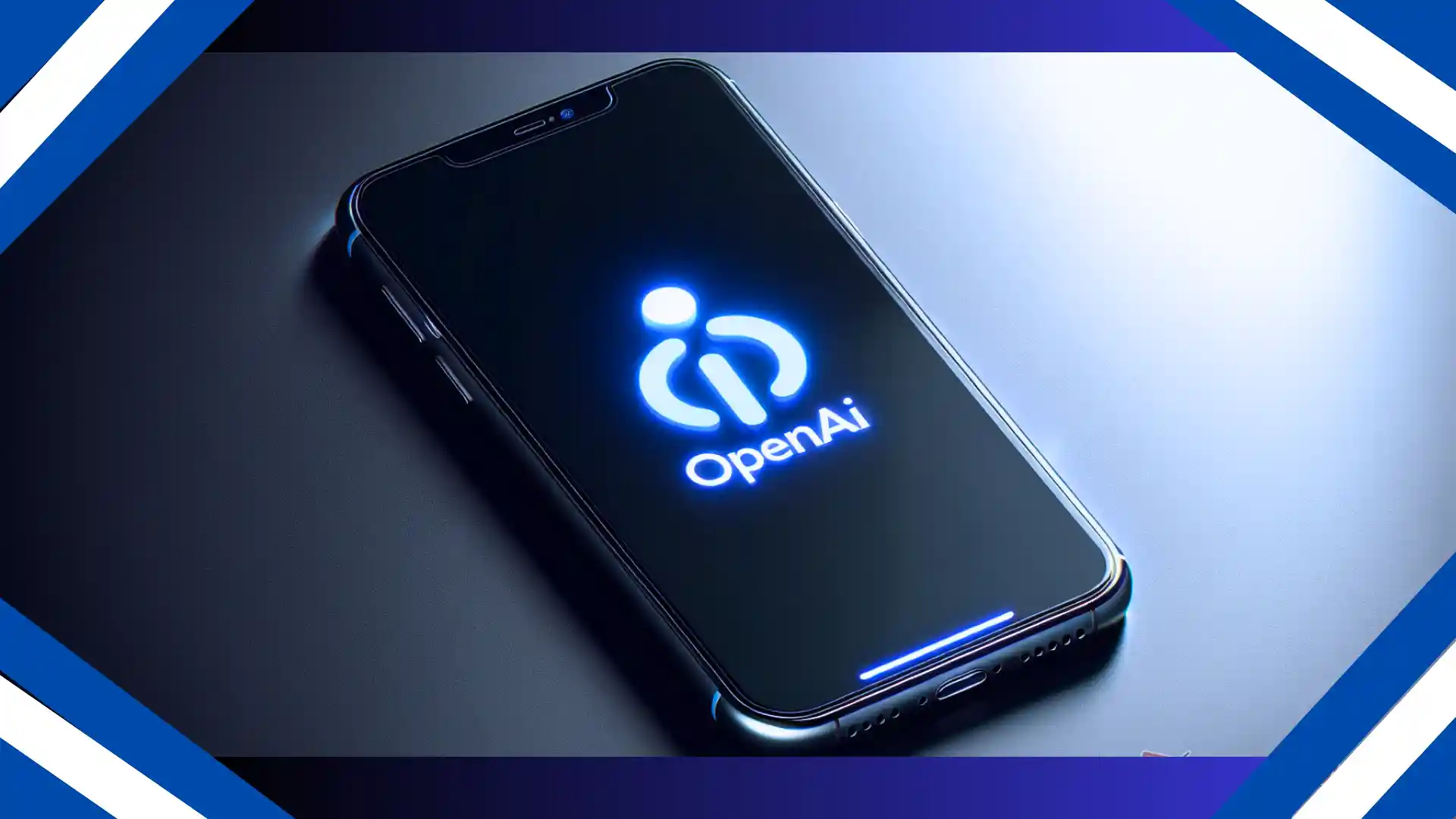
    De technologische wereld staat op het punt van een fundamentele verschuiving nu OpenAI de plannen voor zijn eigen hardware radicaal versnelt. Recente rapporten van vooraanstaande sectoranalisten, waaronder Ming-Chi Kuo, bevestigen dat OpenAI versnelt de ontwikkeling van een AI-gestuurde telefoon voor lancering in 2027. Waar eerdere schattingen nog uitgingen van een release in 2028, lijkt de druk van de concurrentie en de naderende beursgang van het bedrijf de tijdlijn aanzienlijk te hebben verkort. De nieuwe OpenAI telefoon moet niet zomaar een smartphone worden, maar een zogenaamde AI agent phone die de manier waarop wij met technologie omgaan volledig herdefinieert.

    OpenAI telefoon markeert een nieuwe koers in hardware

    De verschuiving van software naar hardware is voor OpenAI een strategische noodzaak geworden. Hoewel ChatGPT momenteel wereldwijd de toon zet op het gebied van kunstmatige intelligentie, is het bedrijf voor de distributie nog steeds afhankelijk van platformen zoals Apple’s iOS en Google’s Android. Met de OpenAI telefoon wil het bedrijf van Sam Altman deze afhankelijkheid doorbreken. Door de volledige controle over zowel de software als de hardware te nemen, kan de AI-ervaring naadloos worden geïntegreerd zonder de beperkingen van huidige app-gebaseerde ecosystemen.

    De versnelling van dit project is niet onopgemerkt gebleven bij investeerders. In de aanloop naar een verwachte beursgang aan het eind van 2026 of begin 2027, dient een tastbaar consumentenproduct als een krachtig signaal van volwassenheid en innovatiekracht. De massaproductie van het toestel zou al in de eerste helft van 2027 van start moeten gaan, waarbij OpenAI mikt op een verkoopvolume van ongeveer 30 miljoen eenheden in de eerste twee jaar.

    De rol van Jony Ive en LoveFrom

    Een van de meest opwindende aspecten van de OpenAI telefoon is de betrokkenheid van Jony Ive, de voormalige hoofdontwerper van Apple. Na de overname van de startup io van Ive door OpenAI, zijn de ontwerpteams samengevoegd om een apparaat te creëren dat breekt met de traditionele smartphone-esthetiek. Er wordt gespeculeerd dat het toestel mogelijk minder afhankelijk zal zijn van een scherm en meer gericht zal zijn op stembediening en visuele sensoren die de omgeving begrijpen. Ive streeft naar een interface die minder afleidend is dan de huidige generatie telefoons, waarbij de AI optreedt als een proactieve assistent in plaats van een passieve verzameling apps.

    Technische specificaties en samenwerking met MediaTek

    Om de enorme rekenkracht die nodig is voor on-device AI te ondersteunen, werkt OpenAI nauw samen met MediaTek. De OpenAI telefoon zal naar verwachting draaien op een aangepaste versie van de MediaTek Dimensity 9600-chipset. Deze chip wordt gefabriceerd op het geavanceerde N2P-proces van TSMC, wat zorgt voor een ongekende energie-efficiëntie en snelheid.

    OnderdeelVerwachte Specificatie
    ProcessorAangepaste MediaTek Dimensity 9600
    ProductieprocesTSMC N2P (2nm-klasse)
    WerkgeheugenLPDDR6 RAM
    OpslagUFS 5.0
    AI-architectuurDual-NPU voor complexe AI-taken
    FocusAI Agent functionaliteit en Real-time Vision

    De hardware is specifiek ontworpen om knelpunten in het geheugen weg te nemen, wat cruciaal is voor het draaien van grote taalmodellen op het apparaat zelf. Met LPDDR6 en UFS 5.0 standaarden wordt de dataoverdracht versneld, waardoor de AI nagenoeg onmiddellijk kan reageren op opdrachten van de gebruiker.

    Een toekomst zonder traditionele apps

    Het meest revolutionaire aspect van de OpenAI telefoon is het concept van de AI agent. In plaats van handmatig tussen verschillende apps te schakelen om een taak te voltooien — zoals het boeken van een vlucht, het bestellen van eten of het plannen van een afspraak — zal de telefoon deze acties autonoom kunnen uitvoeren. De gebruiker geeft een opdracht in natuurlijke taal, en de AI coördineert de benodigde handelingen op de achtergrond.

    Dit betekent dat de traditionele app-store zoals we die kennen, naar de achtergrond kan verdwijnen. De interface wordt volledig contextgevoelig. Dankzij een verbeterde Image Signal Processor (ISP) kan de camera van de OpenAI telefoon de fysieke wereld om de gebruiker heen beter begrijpen. Als je de telefoon op een defect onderdeel van een fiets richt, kan de AI niet alleen het probleem identificeren, maar ook direct het juiste vervangende onderdeel bestellen en een instructievideo tonen.

    Veiligheid en privacy in een AI-tijdperk

    Met een apparaat dat continu luistert en kijkt om de gebruiker te assisteren, is privacy een cruciaal thema. OpenAI integreert geavanceerde beveiligingstechnologieën in de hardware van de nieuwe telefoon. Functies zoals pKVM-virtualisatie worden gebruikt om gevoelige data te isoleren in een beveiligde omgeving op de chip. Hierdoor blijven persoonlijke gegevens van de gebruiker beschermd, zelfs wanneer de AI complexe berekeningen uitvoert. Bovendien zal een groot deel van de AI-verwerking lokaal op het toestel plaatsvinden, waardoor er minder gegevens naar de cloud verzonden hoeven te worden.

    De impact op de Nederlandse markt

    Voor de Nederlandse consument betekent de komst van de OpenAI telefoon in 2027 een serieuze nieuwe keuze naast de gevestigde namen als Samsung en Apple. De Nederlandse markt staat bekend om zijn snelle adoptie van nieuwe technologieën en hoge smartphone-penetratie. OpenAI kan hierop inspelen door abonnementen op ChatGPT Plus te bundelen met de hardware, waardoor een compleet ecosysteem ontstaat.

    Hoewel de prijsstelling nog niet officieel bekend is, wijzen analisten erop dat de OpenAI telefoon zich in het premium segment zal bevinden. Het toestel zal de strijd aan moeten gaan met de iPhone 18 en de Galaxy S27-serie, die tegen die tijd ook diep geïntegreerde AI-functies zullen hebben. Echter, door de hardware vanaf de grond op te bouwen rondom kunstmatige intelligentie, hoopt OpenAI een voorsprong te nemen die concurrenten met hun legacy-systemen moeilijk kunnen inhalen.

    Concurrerende ecosystemen onder druk

    De versnelling van de OpenAI telefoon zet ook andere techreuzen op scherp. Apple heeft onlangs Apple Intelligence geïntroduceerd en Google zet vol in op Gemini, maar beide bedrijven moeten rekening houden met hun bestaande verdienmodellen uit app-stores en advertenties. OpenAI heeft die ballast niet en kan zich volledig richten op een nieuwe manier van interactie. De lancering in 2027 zal uitwijzen of de consument klaar is voor een apparaat waarbij de kunstmatige intelligentie niet alleen een functie is, maar de kern van het volledige systeem vormt. De komende maanden zullen cruciaal zijn voor de verdere ontwikkeling en de eerste prototypes, terwijl de wereld met spanning afwacht hoe de visie van Sam Altman en Jony Ive er in de praktijk uit zal zien.