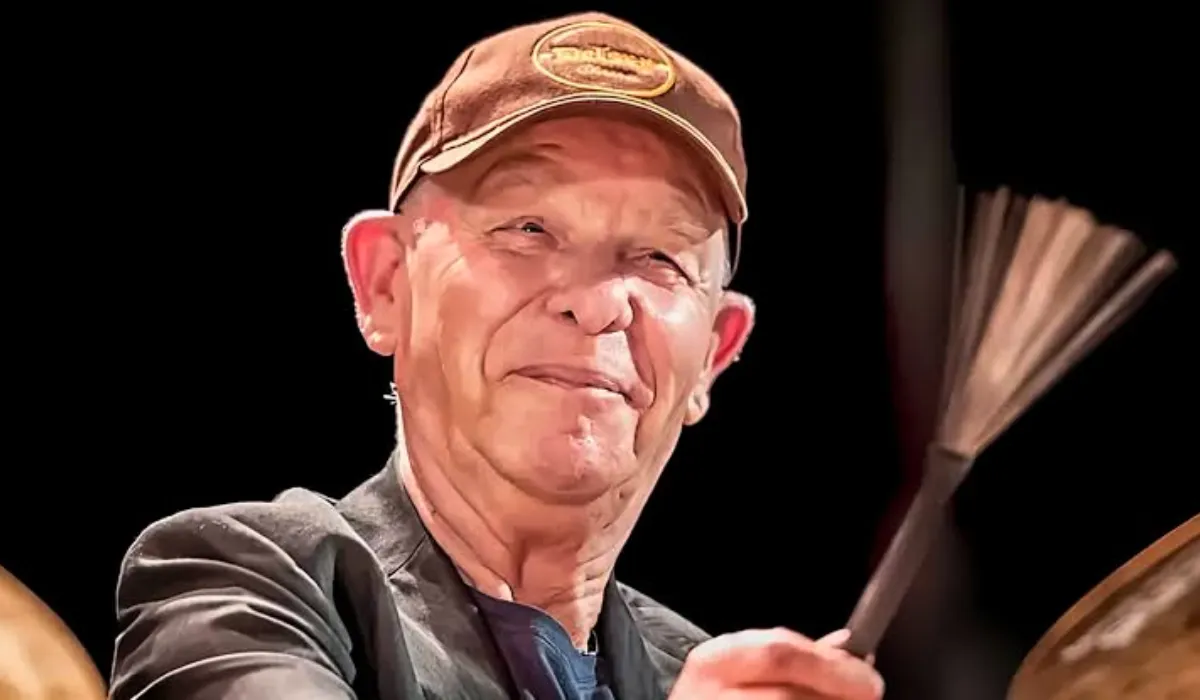
Il mondo della musica italiana si trova immerso in un profondo cordoglio. La tragica scomparsa del batterista Gianni Cazzola, avvenuta all’età di 88 anni, ha lasciato un vuoto incolmabile tra gli appassionati di musica e la comunità jazzistica nazionale. Il maestro si è spento facendo ciò che ha amato per quasi sette decenni: suonare i suoi piatti e rullanti davanti a un pubblico rapito.
L’improvviso malore ha colto l’artista durante un’esibizione dal vivo a Busto Arsizio, la città lombarda che lo aveva accolto decenni fa e che ne ha accompagnato l’intera maturità artistica. Nelle ore successive al dramma, le attenzioni del pubblico e degli stimatori si sono concentrate sulle reazioni dei cari più stretti del musicista.
| Scheda di Sintesi | Dettagli |
| Nome | Gianni Cazzola |
| Nato | 9 maggio 1938, San Giovanni in Persiceto (BO) |
| Deceduto | 18 luglio 2026, Busto Arsizio (VA) |
| Età | 88 anni |
| Debutto Professionale | 1957 (con Franco Cerri) |
| Luogo dei Funerali | Chiesa di Sant’Edoardo, Busto Arsizio |
La nota della famiglia: l’annuncio della figlia Claudia e dei nipoti
A rompersi per primo è stato il silenzio composto della famiglia, avvolta nel dolore per una perdita tanto improvvisa quanto simbolica nella sua dinamica. Attraverso i canali ufficiali delle necrologie cittadine, i familiari hanno diffuso la comunicazione formale della dipartita.
L’annuncio è stato firmato dalla figlia Claudia insieme al compagno Antonio, dagli adorati nipoti Elisa e Luca, unitamente a tutti i parenti e conoscenti. Nel messaggio traspare tutta la dignità e l’affetto verso un uomo che ha rappresentato un pilastro non solo sul palcoscenico, ma soprattutto nell’ambito domestico.
I messaggi giunti alla famiglia sottolineano come l’artista se ne sia andato “con la gioia negli occhi di un bambino senza età”. Diversi amici stretti hanno ricordato l’atmosfera che si respirava nella casa del Maestro, tra dischi sparsi, bacchette, piatti e una perenne predisposizione al sorriso e alla condivisione.
Un malore improvviso sul palco: la ricostruzione delle ultime ore
I fatti si sono consumati nella serata di sabato 18 luglio 2026 all’interno del Gemia Swing Club di Busto Arsizio. Cazzola stava tenendo un concerto insieme ad altri musicisti della scena locale, regalando al pubblico le sue consuete linee ritmiche caratterizzate da un’eleganza raffinata.
All’improvviso, durante l’esecuzione di un brano, il batterista ha accusato un grave malore, accasciandosi direttamente sullo strumento. I soccorsi presenti e le ambulanze chiamate d’urgenza sono intervenute nel giro di pochi minuti.
Il musicista è stato prontamente trasportato presso il nosocomio cittadino. Nonostante i disperati tentativi dei medici di stabilizzare il quadro clinico, il cuore del Maestro ha cessato di battere poco dopo il ricovero. Soltanto pochi mesi prima, il 9 maggio, Cazzola aveva festeggiato il suo ottantottesimo compleanno proprio su quello stesso palcoscenico.
Il pianto del jazz italiano: la commozione di Tullio De Piscopo e dei colleghi
La notizia ha scatenato un’immediata ondata di cordoglio nell’intero panorama musicale. Tra i primi a esprimere la propria devastazione emotiva è stato l’amico e collega Tullio De Piscopo. Il batterista napoletano ha affidato ai propri profili sociali un tributo intriso di affetto e sofferenza.
“Notizia bastarda che mi ha strappato il cuore”, ha scritto De Piscopo, ripercorrendo le tappe di un’amicizia fraterna nata lontano nel tempo, nel 1965 a Bologna. “Il tuo ritmo, il tuo sorriso e la tua umanità resteranno per sempre nel cuore di tutti i musicisti. Ciao Gianni, continua a improvvisare anche da lassù”.
A De Piscopo si sono uniti decine di colleghi, docenti di conservatorio e giovani promesse della batteria. Molti di essi hanno riconosciuto in Cazzola il proprio primo e insostituibile maestro, un artista in grado di trasmettere il senso profondo dello swing con naturalezza e generosità.
| Anno | Tappa di Carriera |
| 1957 | Debutto professionale al fianco di Franco Cerri |
| 1964 | Trasferimento definitivo a Busto Arsizio |
| 1965 | Inizio del sodalizio fraterno con Tullio De Piscopo |
| 1970–2020 | Collaborazioni internazionali (Baker, Holiday) e insegnamento |
| 2026 | Ultima esibizione al Gemia Swing Club e scomparsa |
Una vita in swing: da Franco Cerri a Chet Baker e Billie Holiday
Nato a San Giovanni in Persiceto (Bologna) il 9 maggio 1938, Gianni Cazzola ha rappresentato la spina dorsale della batteria jazz in Italia per oltre sessant’anni. Il suo esordio ad altissimi livelli avvenne nel 1957, quando appena diciannovenne fu scelto dal celebre chitarrista Franco Cerri.
Da quel momento, la sua carriera ha conosciuto una progressione straordinaria. La sua impeccabile sensibilità ritmica lo ha portato a condividere il palco e la sala d’incisione con mostri sacri del jazz mondiale del calibro di:
- Billie Holiday, icona assoluta della voce jazz.
- Chet Baker, trombettista e lirico insuperabile del cool jazz.
- Sheila Jordan, Phil Woods e Eddie Gomez, protagonisti delle stagioni più felici del genere.
- Enrico Intra, Paolo Fresu e Franco D’Andrea, con cui ha firmato pagine storiche della discografia italiana.
Camera ardente e funerali: dove e quando dare l’ultimo saluto
La famiglia Cazzola ha ufficializzato i dettagli per quanti vorranno rendere l’ultimo omaggio al musicista. La salma è stata composta presso la Casa Funeraria “Le Origini – Mismirigo” situata in Viale Sicilia 5 a Busto Arsizio.
| Giorno | Orari Mattino | Orari Pomeriggio |
| Lunedì – Sabato | 08:30 – 12:00 | 14:00 – 18:00 |
| Domenica | 09:00 – 12:00 | 15:00 – 17:00 |
I funerali solenni si terranno martedì 21 luglio 2026 alle ore 14:00 presso la Chiesa Parrocchiale di Sant’Edoardo a Busto Arsizio. La funzione religiosa sarà preceduta dalla recita del Santo Rosario alle ore 13:45.
Al termine della cerimonia, la salma del Maestro proseguirà verso il Tempio Crematorio. La famiglia ha voluto ringraziare anticipatamente tutte le persone, i colleghi e i fan che parteciperanno alle esequie o che lasceranno un pensiero in memoria del leggendario batterista.