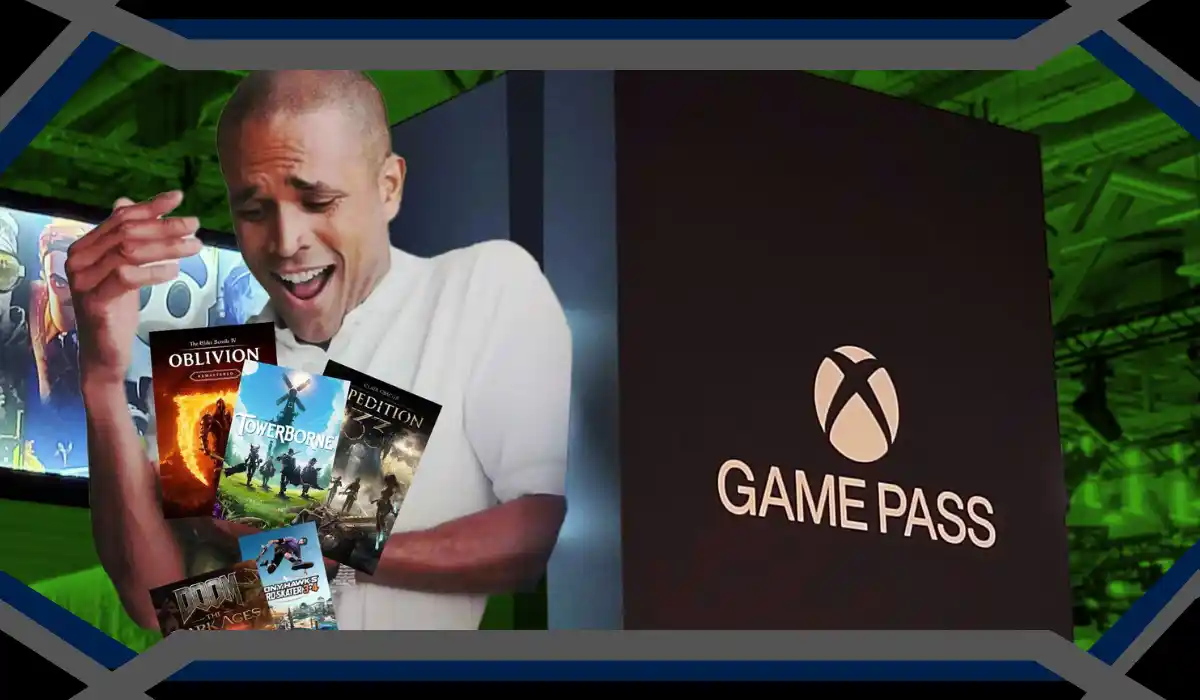
The way people buy PC games has changed dramatically over the past decade. For years, gamers followed the same routine,browse a digital storefront, purchase a game, and permanently add it to their library. Whether through physical discs or digital downloads, ownership was always the preferred option.
Today, that model is evolving. More players are choosing subscription services over individual game purchases, and Xbox Game Pass on PC, commonly known as PC Game Pass, has become one of the biggest reasons behind this shift. By offering hundreds of games for a single monthly fee, Microsoft has transformed how many gamers discover, play, and value video games.
Here’s why an increasing number of PC players are moving away from traditional purchases.
The Rising Cost of AAA Games
One of the biggest factors behind the popularity of Game Pass is the increasing cost of new releases. Most major AAA titles now launch at $70, with prices reaching S$90–S$100 or more in several regions.
Buying a new game is no longer a casual purchase. If you buy just three blockbuster releases in a year, you’re already spending more than $200, making every purchase a significant investment.
For many players, that price is becoming difficult to justify, especially when there is no guarantee the game will meet expectations.
The Risk of Buyer’s Remorse
Higher prices also increase the chance of buyer’s remorse.
Many gamers have purchased a highly anticipated title after watching impressive trailers and reading positive reviews, only to discover that the gameplay feels repetitive, the story lacks depth, or the PC version suffers from technical issues.
Most digital storefronts offer limited refund windows. Once you’ve played beyond the allowed time, you’re generally committed to the purchase, even if the game isn’t enjoyable.
That uncertainty has made many players rethink how they spend their gaming budget.
How Xbox Game Pass on PC Changes the Experience
Xbox Game Pass on PC removes much of that financial risk.
Instead of paying full price for every game, subscribers pay a monthly fee,currently $13.99,for access to a large catalog of games spanning multiple genres.
Buying Games Traditionally
- Pay around $70 for each new title.
- Risk wasting money if the game disappoints.
Using PC Game Pass
- Pay a fixed monthly subscription.
- Instantly access hundreds of games with far less financial risk.
This model allows gamers to try titles they might never have purchased at full price.
More Choice, Less Commitment
One of the biggest advantages of PC Game Pass is the sheer variety of available games.
Rather than investing an entire entertainment budget in a single release, subscribers can explore hundreds of titles ranging from blockbuster action games to indie experiences.
If a game fails to capture their interest after a few hours, there’s no pressure to keep playing simply because they paid full price. Players can uninstall it and immediately move on to another game.
This freedom encourages experimentation and helps gamers discover titles they might otherwise overlook.
Day-One Access to Xbox Games
Microsoft has also changed perceptions of subscription gaming by launching every first-party Xbox title on Game Pass the same day it becomes available worldwide.
Instead of paying full retail price on launch day, subscribers receive immediate access as part of their membership.
For players who regularly buy new Xbox releases, this benefit alone can make the subscription worthwhile over the course of a year.
More Than Just a Game Library
PC Game Pass has expanded beyond simply offering downloadable games. Microsoft has added partnerships and additional services that increase the overall value of the subscription.
Exclusive In-Game Benefits
Subscribers receive various perks across popular multiplayer games.
Connecting a Game Pass account to a Riot Games account unlocks every Champion in League of Legends and every Agent in VALORANT. Subscribers also receive a permanent 20% XP boost and seasonal rewards in games like Call of Duty: Warzone and Overwatch.
The subscription also includes EA Play, giving members access to numerous EA titles, including the latest entries in the EA SPORTS FC series.
For players who regularly enjoy multiplayer games, these extras provide meaningful value beyond the game catalog itself.
A Smarter Way to Buy Games
Interestingly, Game Pass hasn’t completely replaced traditional purchases.
Subscribers receive discounts of up to 20% on games available in the Game Pass library. Many gamers now use the service as an extended trial platform. They download a game, spend several hours playing it, and only purchase it if they decide it’s worth owning permanently.
This approach reduces unnecessary spending while allowing players to make better purchasing decisions.
Why Some Players Still Prefer Buying Games
Despite its popularity, Xbox Game Pass on PC isn’t the perfect solution for everyone.
Many gamers continue to purchase games outright because they value permanent ownership and greater control over their libraries.
Temporary Access
One of the biggest concerns is content rotation.
Third-party games don’t remain on Game Pass forever. Licensing agreements eventually expire, meaning games can leave the service after months or years.
For players who enjoy revisiting older titles or building a permanent collection, buying games still provides greater peace of mind.
Launcher and Modding Limitations
Some PC gamers also prefer platforms like Steam because of their flexibility.
Game Pass relies on the Windows Xbox app, which can occasionally introduce compatibility issues with mods, DRM requirements, or additional launcher installations.
Players who enjoy customizing games or maintaining a single unified library often find traditional storefronts more convenient.
Xbox Game Pass vs Buying Games
| Feature | Buying Games | Xbox Game Pass on PC |
| Upfront Cost | Around $70 per game | $13.99/month |
| Ownership | Permanent | Subscription access |
| Day-One Xbox Releases | No | Yes |
| Library Size | Individual purchases | Hundreds of games |
| Financial Risk | Higher | Lower |
| EA Play Included | No | Yes |
Which Option Offers Better Value?
The answer depends on how you play.
If you finish only a few carefully selected games each year and enjoy revisiting them later, buying games may still be the better option.
However, players who enjoy trying multiple genres, exploring indie games, or playing new Xbox releases at launch often receive significantly better value from PC Game Pass.
Rather than replacing game ownership entirely, the subscription complements traditional buying by allowing players to test games before deciding whether to purchase them permanently.
Conclusion
Xbox Game Pass on PC has reshaped the way many gamers think about buying games. As AAA prices continue to rise, subscription gaming offers a more affordable and flexible alternative that reduces financial risk while providing access to hundreds of titles.
Features such as day-one Xbox releases, EA Play, multiplayer rewards, and member discounts have made the service far more than a simple game library. It has become a complete gaming ecosystem.
Traditional ownership will always appeal to collectors, modding enthusiasts, and players who value permanent access. Yet for millions of PC gamers, convenience, affordability, and variety now outweigh the need to own every game outright.
As subscription services continue to evolve, Xbox Game Pass on PC is likely to remain one of the biggest forces shaping the future of PC gaming.