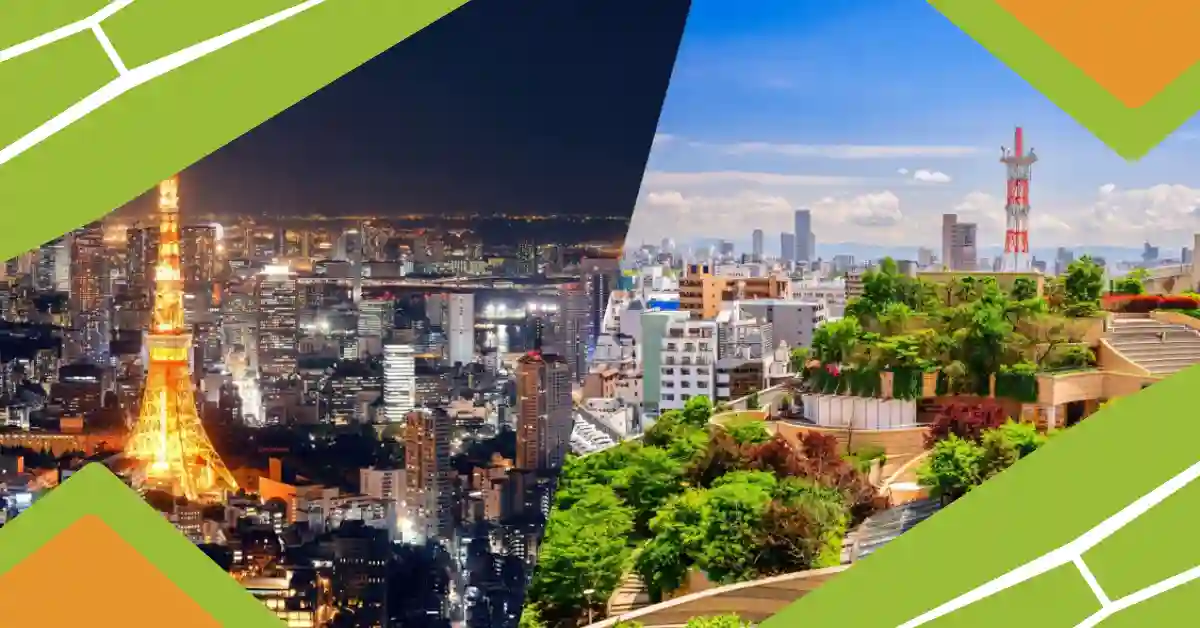
Urban life in Japan is often portrayed as the perfect blend of futuristic convenience, safety, efficiency, and culture. Cities like Tokyo and Osaka consistently rank among the world’s most livable metropolitan areas. From spotless train stations to 24/7 convenience stores and world-class public transport, it is easy to assume that living in Japan’s major cities is simply expensive in obvious ways like rent and food.
However, the real financial burden of urban living in Japan is far more layered. Beyond the visible monthly expenses lies a set of “hidden costs” that quietly shape lifestyle, savings potential, and long-term financial health. These costs are not always dramatic on their own, but together they significantly impact the true cost of living in Japan’s big cities.
This article explores the lesser-discussed financial realities of urban Japan, helping you understand what it really takes to live comfortably in places like Tokyo, Osaka, Yokohama, and beyond.
The Illusion of Predictable Living Costs in Japanese Cities
At first glance, budgeting for life in Japan seems straightforward. Rent, transport, groceries, and utilities appear structured and transparent. But the system hides several structural expenses that newcomers and even long-term residents often underestimate.
One of the biggest misconceptions is that rent is the only major housing cost. In reality, renting in cities like Tokyo or Osaka involves multiple upfront and recurring charges that significantly increase the true cost of housing.
In Tokyo especially, tenants often face initial payments such as key money (a non-refundable “gift” to the landlord), agency fees, renewal fees every two years, and mandatory insurance. While monthly rent may appear manageable on paper, these additional charges can effectively add the equivalent of several extra months of rent per year when averaged out.
Another subtle factor is space efficiency. Apartments in Tokyo and Osaka are often much smaller than what many expats expect for the price. This creates a “cost per square meter illusion,” where you may pay less in absolute terms but receive significantly less living space. Over time, this can lead to lifestyle adjustments such as increased reliance on paid external spaces like coworking areas, storage rentals, or even cafés for working and socializing.
Even in Osaka, which is generally more affordable than Tokyo, similar rental structures apply. While base rent might be lower, upfront costs remain high, and moving between apartments can become expensive due to mandatory cleaning fees, contract renewals, and relocation logistics.
Transportation, Commuting Pressure, and Time-Based Costs
Japan’s public transport system is one of the most efficient in the world, but efficiency does not always mean affordability. Commuting in major urban centers comes with both direct and indirect costs that accumulate over time.
Train passes, especially in Tokyo’s vast railway network, can be expensive depending on distance. While employers often subsidize commuting costs, freelancers, students, and part-time workers may bear the full burden themselves. Over a year, even “reasonable” monthly transport fees add up to a significant expense.
However, the hidden cost of transportation is not just monetary, it is also time-based. Long commutes are common in major cities, particularly in suburban outskirts of Tokyo where housing is more affordable. A cheaper apartment often means longer travel times, sometimes exceeding one to two hours each way.
This creates a trade-off between money and time:
- Living closer to central business districts reduces commuting stress but dramatically increases rent.
- Living farther out lowers housing costs but increases transport fees and daily fatigue.
In cities like Osaka, this trade-off is slightly less extreme but still present. As urban sprawl expands, residents often find themselves balancing affordability with increasingly complex commute patterns involving multiple train lines and transfers.
Additionally, transportation costs are not limited to daily commuting. Social life in Japan’s big cities heavily depends on train travel. Meeting friends across different districts often requires paid transit, and spontaneous travel is less common due to structured scheduling and cost awareness. Over time, this reduces flexibility and subtly increases the “social cost” of mobility.
Daily Life Expenses: Food, Convenience Culture, and Lifestyle Inflation
One of the most underestimated aspects of urban living in Japan is how daily consumption patterns affect overall spending. While Japan is often considered affordable for food compared to Western cities, the reality is more nuanced in metropolitan areas.
Convenience stores like 7-Eleven, Lawson, and FamilyMart are everywhere in cities such as Tokyo and Osaka. While incredibly useful, they encourage frequent small purchases that gradually add up. A quick breakfast, coffee, or late-night snack may seem inexpensive individually, but repeated daily use can quietly inflate monthly food spending.
Eating out is another factor. Japan offers high-quality affordable meals, especially set lunches and casual dining options. However, urban lifestyles often normalize frequent dining out due to long working hours, limited kitchen space, or social culture. Over time, this becomes a significant recurring expense.
In addition, grocery shopping in central districts tends to be more expensive than suburban or rural areas. Imported goods, specialty items, and even fresh produce can carry higher price tags in central Tokyo neighborhoods.
To understand the hidden impact of daily life costs, consider how spending behavior changes in big cities:
- Small, frequent purchases replace planned bulk spending.
- Convenience replaces cost optimization.
- Social dining becomes routine rather than occasional.
This pattern is especially visible in Tokyo, where fast-paced lifestyles encourage efficiency over budgeting. Even in Osaka, known for its food culture and slightly lower cost of living, frequent dining out in vibrant districts like Namba and Umeda can significantly increase monthly expenses.
Another subtle cost is lifestyle inflation. As income rises in urban environments, so do expectations around housing quality, entertainment, and personal convenience. Gym memberships, streaming services, productivity tools, and social subscriptions often become normalized, further increasing monthly financial commitments.
The Psychological and Social Cost of Urban Living
Beyond measurable financial expenses, urban living in Japan’s major cities carries psychological and social costs that indirectly affect money management.
High population density in Tokyo can lead to sensory overload, especially in busy districts like Shinjuku or Shibuya. While the city is safe and orderly, the constant movement, noise, and crowding can contribute to mental fatigue. This often leads residents to spend more on short-term relief activities such as cafés, weekend trips, or paid entertainment.
Social expectations also influence spending behavior. In professional environments, networking often involves after-work dinners or drinks, even if participation is optional. While not mandatory, declining frequently can reduce social integration, indirectly encouraging participation and increasing social spending.
In Osaka, the social culture is often more relaxed and outgoing compared to Tokyo, but the expectation of group dining and entertainment still exists in many professional and student circles.
Another overlooked factor is space-induced lifestyle stress. Smaller apartments mean less personal separation between work and rest, especially for remote workers. This can push individuals toward “third spaces” like coworking cafés or shared offices, which introduce additional recurring costs.
These psychological and social elements do not appear in traditional cost-of-living calculations, yet they significantly influence spending patterns over time.
Conclusion: Understanding the Real Cost of Urban Life in Japan
Living in Japan’s major cities is an experience defined by efficiency, safety, and cultural richness. However, the true cost of urban living extends far beyond rent and groceries. Hidden expenses ranging from upfront housing fees and commuting trade-offs to lifestyle inflation and social spending shape the financial reality of residents in subtle but powerful ways.
Cities like Tokyo and Osaka offer incredible opportunities, but they also require careful financial planning and awareness of how everyday habits influence long-term costs.
For anyone considering a move or already living in Japan’s urban centers, the key is not just to budget for visible expenses but to understand the invisible systems that shape spending behavior. Recognizing these hidden costs allows for better financial control, more realistic expectations, and ultimately a more sustainable urban lifestyle in one of the world’s most fascinating countries.