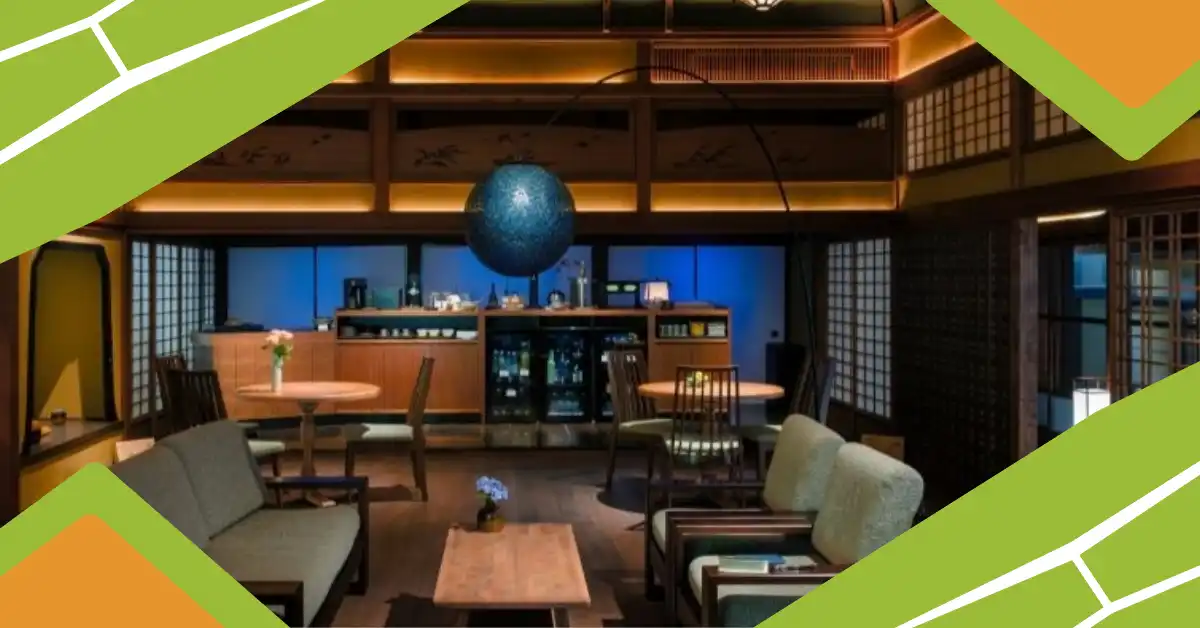
In 2026, the global conversation around luxury is shifting away from loud branding and overt opulence toward restraint, craftsmanship, and intentional living. At the center of this transformation is Japan, where “quiet luxury” is not a trend but a deeply rooted cultural philosophy that is now influencing global aesthetics. The Japanese interpretation of luxury prioritizes subtle elegance, high-quality materials, and emotional value over visible status symbols.
The “quiet luxury Japan lifestyle 2026” movement reflects a blend of traditional philosophy and modern design sensibility. It emphasizes minimalism, functionality, and mindfulness creating spaces, wardrobes, and experiences that feel refined without being excessive.
What Is Quiet Luxury in Japan’s 2026 Lifestyle Context?
Quiet luxury in Japan is defined by understatement. It is not about eliminating luxury but redefining it. Instead of logos and flashy designs, value is communicated through craftsmanship, texture, longevity, and emotional resonance.
In 2026, this lifestyle trend is visible across multiple domains:
- Fashion focuses on tailored silhouettes and neutral palettes
- Interiors emphasize empty space and natural light
- Consumption favors durability over disposability
- Wellness prioritizes mental clarity and balance
Unlike Western interpretations of quiet luxury that often center around expensive minimalism, the Japanese version is more philosophical. It is rooted in the idea that true luxury is experienced, not displayed.
Cultural Foundations: Wabi-Sabi and the Philosophy of Imperfection
The foundation of Japan’s quiet luxury lifestyle is the concept of wabi-sabi, the appreciation of imperfection and impermanence. This aesthetic philosophy values simplicity, natural aging, and authenticity.
Alongside wabi-sabi, other cultural principles shape modern design and lifestyle choices:
- Ma (negative space): The intentional use of emptiness to create balance
- Shibui: Subtle beauty that is not immediately obvious
- Kanso: Simplicity and elimination of clutter
These principles are deeply embedded in architecture, product design, and daily living. In 2026, they are being reinterpreted by younger generations who seek emotional grounding in a hyper-digital world.
Interior Design: The Rise of Emotional Minimalism
Japanese interior design in 2026 is evolving into what many designers call “emotional minimalism.” While traditional minimalism focused on reducing clutter, emotional minimalism focuses on creating spaces that feel calm, warm, and human.
Key characteristics include:
Natural Materials and Earth Tones
Wood, stone, linen, and clay dominate interiors. These materials are chosen not only for aesthetics but for their tactile and sensory qualities.
Purposeful Space Design
Empty space is treated as an essential design element rather than a lack of furniture. Rooms are designed to breathe, allowing occupants to feel mentally unburdened.
Multi-functional Living Spaces
With urban density increasing, homes are designed for adaptability. Sliding partitions, modular furniture, and convertible spaces are common in Tokyo apartments.
Integration of Nature
Indoor gardens, bonsai arrangements, and natural light integration blur the boundary between interior and exterior environments.
This approach aligns with the broader “quiet luxury Japan lifestyle 2026” movement, where comfort is defined by serenity rather than abundance.
Fashion: Subtle Elegance Over Loud Branding
Japanese fashion in 2026 continues to influence global luxury trends with its understated sophistication. Quiet luxury fashion is defined by precision tailoring, neutral tones, and timeless silhouettes.
Key Fashion Elements
- Monochromatic outfits in beige, grey, navy, and earth tones
- High-quality natural fabrics such as cotton, wool, and silk
- Minimal branding or completely logo-free designs
- Focus on fit and construction rather than ornamentation
Luxury is communicated through how a garment feels and moves rather than how it is recognized. Designers are also increasingly embracing sustainable production methods, reinforcing the idea that longevity itself is a luxury.
The result is a wardrobe philosophy that values fewer, better pieces, an approach that aligns with global minimalist consumption habits.
Beauty and Wellness: The Quiet Ritual Economy
The beauty and wellness sector in Japan reflects the same principles of restraint and refinement. In 2026, consumers are moving away from maximalist skincare routines and toward simplified, highly effective rituals.
Skincare Minimalism
Instead of multi-step regimens, consumers prefer streamlined routines with fewer but higher-quality products.
Sensory Wellness
Fragrance, texture, and ritual play a central role in self-care. Bathing culture, herbal infusions, and aromatherapy are integrated into daily routines.
Mental Wellness Integration
Meditation, forest bathing (shinrin-yoku), and digital detox practices are increasingly mainstream, especially in urban environments.
The concept of beauty is shifting from appearance-based enhancement to holistic well-being.
Technology and Quiet Luxury Consumption
Interestingly, Japan’s quiet luxury lifestyle does not reject technology. Instead, it integrates it seamlessly and unobtrusively.
Invisible Technology Design
Smart home systems are designed to be hidden or visually neutral. Devices blend into interiors rather than dominating them.
Intentional Digital Use
Digital tools are used for productivity and convenience, but there is growing awareness of screen fatigue. This has led to an increase in minimalist digital environments and distraction-free devices.
Premium Functional Products
Consumers are willing to invest in fewer but higher-quality gadgets that last longer and serve multiple functions.
This approach reflects the broader philosophy of “invisible convenience” technology that enhances life without demanding attention.
Hospitality and Travel: Experiential Luxury Redefined
Japan’s hospitality sector is one of the strongest expressions of quiet luxury in action. In 2026, hotels and travel experiences are designed around emotional restoration rather than extravagance.
Ryokan-Inspired Modern Stays
Traditional inns (ryokan) continue to inspire modern boutique hotels with tatami floors, natural hot springs, and minimalist rooms.
Personalized Experiences
Rather than standardized luxury services, hospitality focuses on personalization tailored meals, curated cultural experiences, and intimate spaces.
Nature-Centered Tourism
Rural and nature-based travel is growing in popularity as travelers seek escape from urban overstimulation.
This form of travel aligns with the desire for authenticity, silence, and reconnection.
Why the Quiet Luxury Trend Is Growing in 2026
Several global factors are accelerating the adoption of Japan’s quiet luxury lifestyle philosophy:
- Digital fatigue: Overexposure to screens and social media is driving a desire for simplicity
- Sustainability concerns: Consumers prefer durable, long-lasting goods over fast consumption
- Economic recalibration: Value-based spending is replacing impulse luxury purchases
- Cultural globalization: Japanese aesthetics are increasingly influencing global design industries
In this context, quiet luxury is not just a style preference but a psychological response to modern overstimulation.
Global Influence of Japan’s Aesthetic Philosophy
Japanese design principles are now shaping global architecture, fashion, and branding. International luxury houses are increasingly adopting minimalist packaging, subtle branding, and craftsmanship-focused storytelling.
From Scandinavian interiors to European fashion houses, the influence of Japanese aesthetics is evident in the global shift toward restraint and authenticity.
However, what sets Japan apart is the depth of cultural integration. Quiet luxury in Japan is not a marketing strategy, it is a lived philosophy that spans centuries.
Conclusion
The “Inside Japan’s Quiet Luxury Lifestyle Trend in 2026: Minimalism Meets Subtle Elegance” movement represents a profound shift in how luxury is defined and experienced. It is no longer about visibility or excess but about emotional resonance, craftsmanship, and intentional living.
Rooted in centuries-old philosophies like wabi-sabi and ma, Japan’s approach to quiet luxury continues to shape global expectations of beauty, design, and consumption. As the world moves further into an era of digital saturation and environmental awareness, the appeal of subtle elegance and minimalist living is only expected to grow.
In 2026 and beyond, quiet luxury is not just a trend it is becoming a new standard of modern sophistication.
Leave a Reply