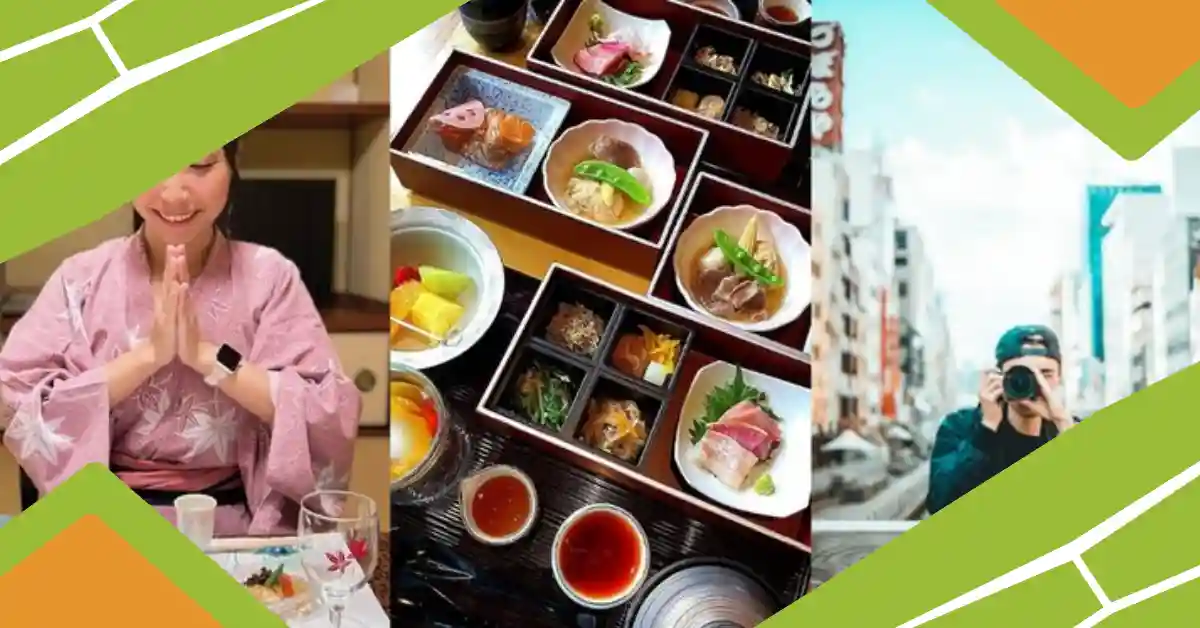
Japan is one of the most culturally rich and historically layered societies in the world. From deeply rooted traditions to highly refined social etiquette and globally celebrated cuisine, Japan offers a unique blend of ancient customs and modern innovation. Understanding Japanese culture is not just about appreciating rituals, it’s about recognizing the philosophy of respect, harmony, and mindfulness that shapes everyday life.
In this article, we explore 10 fascinating facts about Japan culture, traditions, etiquette, and food, organized into clear themes to help you understand what makes Japan so distinctive and globally admired.
1. Deep Respect for Harmony Shapes Japanese Society
One of the most defining aspects of Japanese culture is the concept of wa (harmony). This principle influences social interactions, business environments, and even family life. People are encouraged to avoid conflict, maintain group harmony, and prioritize collective well-being over individual expression.
In daily life, this shows up in subtle ways soft communication styles, indirect refusals, and careful attention to not inconvenience others. Even public spaces reflect this mindset; silence is often valued on trains and in public areas to maintain peace for everyone.
This cultural emphasis on harmony is one of the reasons Japan has such an orderly society despite its large population and dense cities.
2. Traditional Customs Still Shape Modern Life
Even in modern cities like Tokyo, tradition remains deeply embedded in daily routines. Tokyo is a perfect example where skyscrapers and technology coexist with shrines, tea ceremonies, and seasonal festivals.
Key Traditional Practices Still Observed Today:
- Tea Ceremony (Chanoyu): A highly ritualized practice centered on mindfulness, respect, and simplicity.
- Seasonal Festivals (Matsuri): Celebrations tied to nature, harvests, and local shrines.
- Kimono Wearing: Still worn for weddings, festivals, and formal occasions.
- Shinto and Buddhist Rituals: Many Japanese people participate in shrine visits for blessings, especially during New Year.
These traditions are not just preserved for cultural display, they actively shape identity and social behavior.
3. Etiquette Is Extremely Important in Daily Interactions
Japanese etiquette is one of the most structured social systems in the world. Respect is expressed through behavior, language, and even posture.
Essential Etiquette Practices:
- Bowing Instead of Handshakes: The depth and duration of a bow reflect respect and social hierarchy.
- Removing Shoes Indoors: Shoes are considered unclean in homes, temples, and some traditional restaurants.
- Gift-Giving Culture: Gifts are a key part of social relationships, often carefully wrapped and exchanged with both hands.
- Polite Language (Keigo): Different levels of speech are used depending on social status and familiarity.
These practices may seem formal to outsiders, but they create a smooth and respectful social environment where everyone understands their role.
4. Japanese Food Culture Is Built on Precision and Seasonality
Japanese cuisine is globally admired for its simplicity, balance, and aesthetic presentation. Food is not just nourishment it is an art form that reflects nature and seasonality.
Important Aspects of Japanese Food Culture:
- Seasonal Eating: Ingredients are chosen based on the season, enhancing freshness and flavor.
- Minimalism in Cooking: Dishes are often simple, highlighting natural taste rather than heavy seasoning.
- Presentation Matters: Food is arranged visually to reflect harmony and beauty.
- Shared Meals: Dining is a social experience that emphasizes togetherness.
One of the most iconic examples of Japanese cuisine is Sushi, which combines rice, seafood, and vegetables in carefully balanced forms. Sushi is not just food it reflects precision, discipline, and artistry.
Other popular dishes include ramen, tempura, and miso soup, each representing regional and seasonal influences.
5. The Concept of Respect Extends Even to Nature and Objects
A fascinating cultural belief in Japan is that respect should be extended beyond people to nature and even inanimate objects. This idea is rooted in Shinto philosophy, which views natural elements as sacred.
For example:
- Trees, rivers, and mountains are often considered spiritually significant.
- Old objects are treated with care and sometimes given ceremonial “farewells.”
- Environmental cleanliness is highly valued, and public littering is extremely rare.
This deep respect for surroundings fosters a strong sense of responsibility and environmental awareness among citizens.
6. Silence and Subtle Communication Are Powerful Social Tools
Unlike many Western cultures where direct communication is preferred, Japanese communication often relies on subtlety. Silence is not seen as awkward but as meaningful.
In conversations:
- People may avoid saying “no” directly to prevent discomfort.
- Facial expressions and tone carry more meaning than words.
- Silence can indicate respect, agreement, or contemplation.
This communication style reduces confrontation and helps maintain harmony in both personal and professional relationships.
7. Festivals Reflect a Deep Connection to Seasons and Spirits
Japanese festivals are vibrant expressions of cultural identity. They often combine religious rituals, community participation, and seasonal celebrations.
Common features of festivals include:
- Traditional clothing like yukata
- Street food stalls and performances
- Processions carrying portable shrines (mikoshi)
- Fireworks and lantern displays
These events are not just entertainment, they are deeply spiritual and community-driven experiences that connect people with history and nature.
8. Cleanliness Is a Cultural Priority
One of the most noticeable aspects for visitors is Japan’s extraordinary cleanliness. Despite having relatively few public trash bins, streets remain remarkably clean.
This is due to cultural habits such as:
- Carrying personal trash until disposal
- Cleaning classrooms and public spaces collectively
- Teaching cleanliness from a young age in schools
Cleanliness is seen not just as hygiene but as a moral responsibility toward society.
9. Work Ethic and Discipline Are Deeply Rooted Values
Japanese work culture is known for its discipline, punctuality, and dedication. Employees often take pride in their work, regardless of position.
Key traits include:
- Strong sense of responsibility toward employers and colleagues
- High attention to detail and quality
- Punctuality as a sign of respect
- Long-term commitment to companies
While modern reforms are changing aspects of work-life balance, these values still play a major role in shaping professional environments.
10. Food Presentation Is as Important as Taste
In Japanese dining, visual appeal is just as important as flavor. Meals are carefully arranged to reflect balance in color, shape, and texture.
Even everyday meals are designed to look aesthetically pleasing, often inspired by nature. Seasonal decorations like cherry blossom motifs in spring or maple leaves in autumn are commonly used in plating.
This artistic approach transforms eating into a sensory experience that engages both taste and sight.
Final Thoughts: Why Japanese Culture Fascinates the World
Japanese culture continues to captivate people globally because it blends tradition with modern life in a seamless and respectful way. Whether it is the philosophy of harmony, refined etiquette, or the artistry of food, every aspect of life in Japan reflects balance and intentionality.
Understanding these cultural facts not only helps travelers and learners appreciate Japan more deeply but also offers valuable lessons in mindfulness, respect, and simplicity that can be applied anywhere in the world.
From ancient rituals to modern innovation, Japan remains a powerful example of how culture can evolve without losing its essence.
Leave a Reply