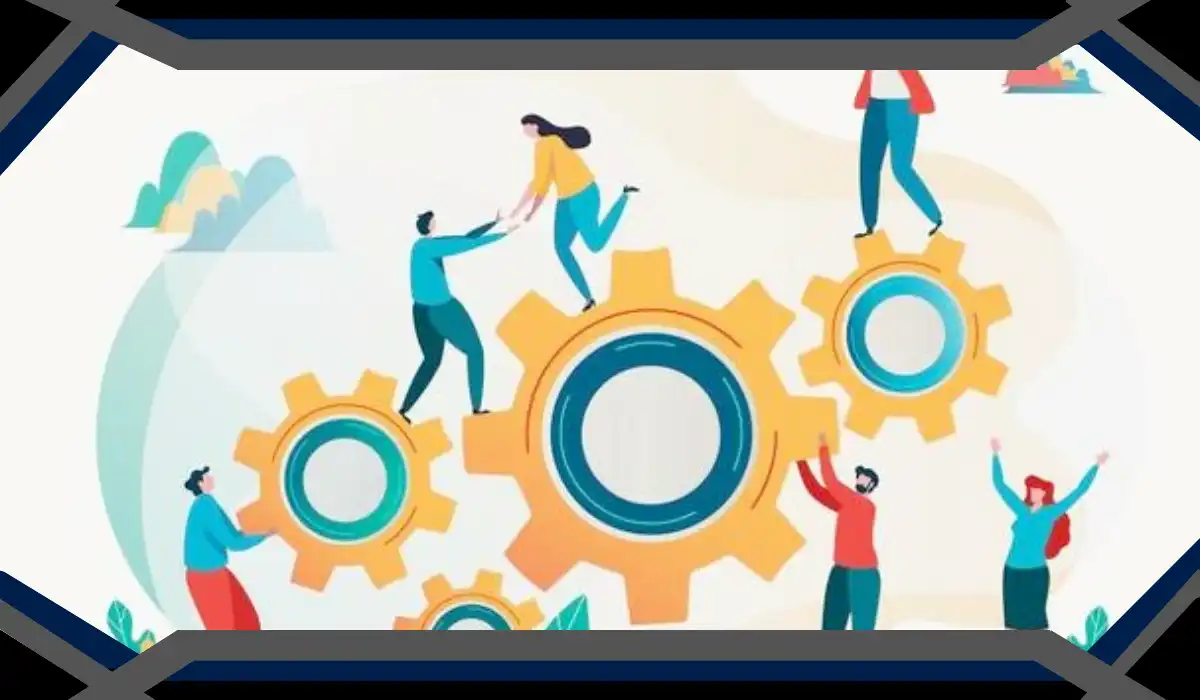
Strong teamwork is essential for business success, employee satisfaction, and long-term growth. However, even talented teams can struggle with communication gaps, unclear goals, personality clashes, and low accountability. Understanding the Top Teamwork Challenges helps organizations build healthier work environments and improve collaboration across departments.
Modern workplaces are becoming more diverse and remote-driven, which increases the need for better cooperation and transparency. Teams that identify problems early and apply practical solutions are more likely to achieve consistent results. This article explores common teamwork obstacles and actionable strategies that can help teams work together more effectively.
Top Teamwork Challenges in Modern Workplaces
Every team faces difficulties at some point. The difference between successful and struggling teams often depends on how these issues are managed.
Poor Communication
Communication problems are one of the biggest reasons teams fail to perform well. Misunderstandings, unclear instructions, and delayed responses can reduce productivity and create frustration.
To improve communication:
- Encourage regular team meetings
- Use collaboration tools consistently
- Promote active listening
- Clarify responsibilities and expectations
Open communication builds trust and prevents confusion before it grows into larger conflicts.
Lack of Clear Goals
Teams often struggle when members are unsure about priorities or expected outcomes. Without clear direction, employees may focus on different objectives, leading to wasted time and inconsistent results.
Managers should:
- Set measurable goals
- Define deadlines clearly
- Break large projects into smaller tasks
- Review progress regularly
Using frameworks like your project management methods can also help teams stay organized and aligned.
Conflicts Between Team Members
Different personalities, opinions, and working styles can create tension within teams. While some conflict can encourage creativity, unresolved disputes often damage morale and collaboration.
Effective conflict resolution includes:
- Addressing issues early
- Encouraging respectful discussions
- Focusing on solutions instead of blame
- Creating a culture of empathy
Leaders should remain neutral and guide conversations toward constructive outcomes.
Uneven Work Distribution
One common issue among teams is an imbalance in workload. Some employees may feel overworked while others contribute less, causing resentment and burnout.
To solve this problem:
| Challenge | Effective Solution |
| Employee overload | Delegate tasks fairly |
| Missed deadlines | Use task tracking systems |
| Lack of accountability | Set clear performance expectations |
| Burnout risks | Encourage work-life balance |
Fair distribution of responsibilities improves motivation and team trust.
Causes Behind Collaboration Problems
Understanding the root causes behind collaboration issues is important for long-term improvement. Many workplace problems develop gradually and remain unnoticed until productivity declines.
Weak Leadership
Leadership plays a major role in team success. Poor leadership can create confusion, low morale, and a lack of direction. Employees often rely on managers for guidance, motivation, and support.
Strong leaders should:
- Communicate openly
- Provide constructive feedback
- Encourage teamwork
- Recognize employee achievements
A supportive leader creates a positive environment where collaboration can thrive.
Resistance to Change
Some employees resist new systems, processes, or technologies. This resistance can slow progress and affect teamwork, especially during organizational changes.
Companies can reduce resistance by:
- Explaining the reasons for change
- Providing proper training
- Involving employees in decision-making
- Offering continuous support
Adapting to change becomes easier when employees feel informed and valued.
Lack of Trust
Trust is the foundation of successful collaboration. Without trust, employees may hesitate to share ideas, ask for help, or take responsibility.
Teams can build trust through:
- Honest communication
- Consistent behavior
- Transparency from leadership
- Team building activities
Research from your workplace collaboration studies shows that trusted teams often achieve higher productivity and employee satisfaction.
Effective Solutions for Better Team Collaboration
Organizations that actively address teamwork problems can create stronger and more productive teams. The following strategies can help improve collaboration in any workplace.
Encourage Open Feedback
Employees should feel comfortable sharing concerns, suggestions, and ideas. Feedback encourages improvement and strengthens relationships within teams.
Useful feedback practices include:
- Conducting regular performance reviews
- Creating anonymous feedback options
- Recognizing positive contributions
- Encouraging two-way communication
Constructive feedback helps teams improve without creating negativity.
Use Collaboration Tools Wisely
Digital tools can simplify teamwork, especially in remote or hybrid workplaces. However, using too many platforms can also create confusion.
Popular collaboration tools support:
- Real-time communication
- File sharing
- Task management
- Video meetings
Teams should choose tools that match their workflow and keep communication centralized.
Promote Accountability
Accountability ensures that every team member understands their responsibilities. When accountability is missing, projects often face delays and quality issues.
Ways to improve accountability:
- Assign clear ownership of tasks
- Set realistic deadlines
- Monitor progress consistently
- Celebrate completed goals
Accountable teams usually perform better because everyone understands their role in the overall success of the project.
Building a Positive Team Culture
A healthy work culture encourages cooperation, creativity, and mutual respect. Teams that feel connected are more likely to overcome difficulties together.
Support Diversity and Inclusion
Diverse teams bring different perspectives and ideas. Inclusive workplaces encourage employees to contribute openly without fear of judgment.
Organizations can improve inclusion by:
- Respecting cultural differences
- Encouraging equal participation
- Providing diversity training
- Eliminating workplace bias
Inclusive environments often lead to stronger innovation and better problem-solving.
Invest in Team Development
Continuous learning improves both individual performance and teamwork. Employees who develop new skills can collaborate more effectively and adapt to changing workplace demands.
Team development can include:
- Leadership training
- Communication workshops
- Problem-solving exercises
- Group learning sessions
Professional development also increases employee confidence and engagement.
Measuring Teamwork Improvement
Tracking team performance helps organizations understand whether their strategies are working. Improvement should be measured consistently using clear indicators.
Key metrics may include:
- Employee satisfaction levels
- Project completion rates
- Communication efficiency
- Conflict reduction
- Productivity improvements
Managers should review these metrics regularly and adjust strategies when necessary.
Conclusion
Teams perform best when communication is clear, responsibilities are balanced, and trust is strong. By understanding the Top Teamwork Challenges, organizations can identify weaknesses before they affect productivity and employee morale. Practical solutions such as open communication, strong leadership, accountability, and continuous learning help create a more collaborative workplace.
Businesses that invest in teamwork improvement are more likely to achieve sustainable growth, stronger employee relationships, and better overall performance.
Leave a Reply